Barnorama Welcome To The Fun Barn
Some eras didn’t just change the sound of rock, they completely darkened its soul.
Type O Negative
With Peter Steele’s cavernous vocals and slow, crushing riffs, Type O Negative fused metal with gothic sensibility, bringing morbidity, romance, and dark humor to a new generation.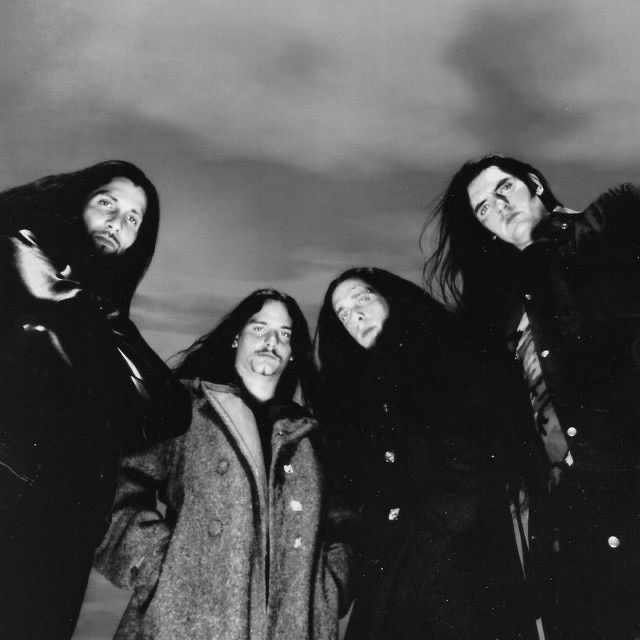
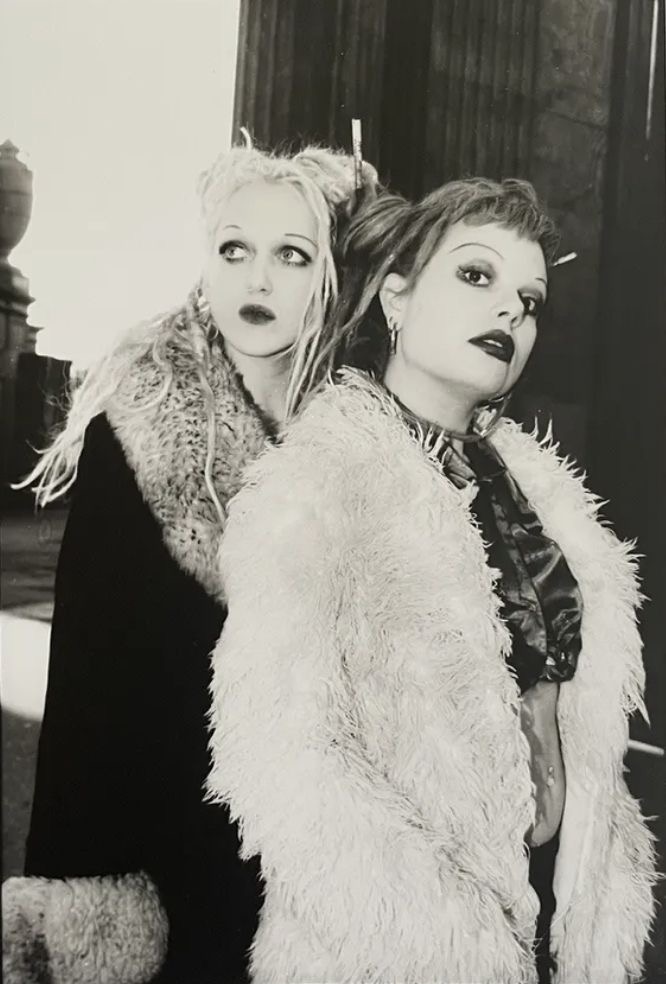
Switchblade Symphony
Emerging in the 1990s, they blended orchestral elements, industrial textures, and gothic romanticism, becoming icons of modern goth’s elegance and emotional depth.
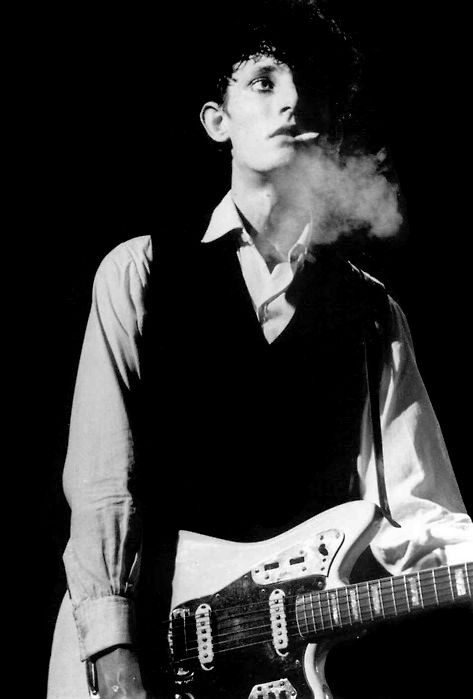
The Birthday Party
Nick Cave’s first major band fused noise, punk, and grotesque imagery, laying proto-goth groundwork through raw intensity and nihilistic theatricality.
London After Midnight
Known for vampiric imagery and melodramatic flair, the band embodied goth as performance art, reviving classic gothic rock aesthetics for contemporary audiences.
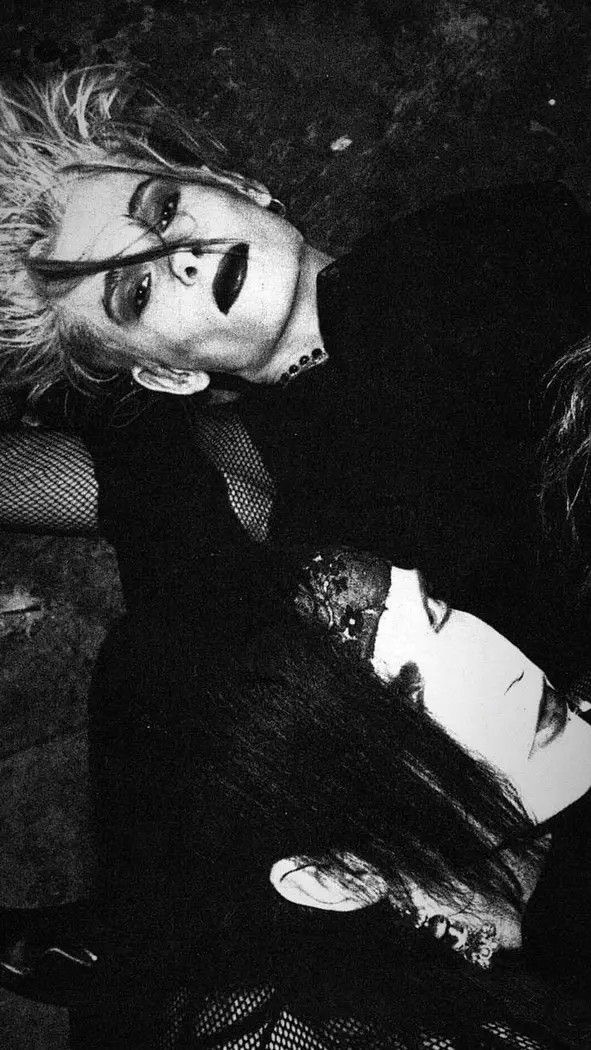
Cocteau Twins
Though not strictly goth, their shimmering guitars and Elizabeth Fraser’s celestial vocals defined the “ethereal wave” movement, offering a softer, dreamlike counterpart to gothic darkness.
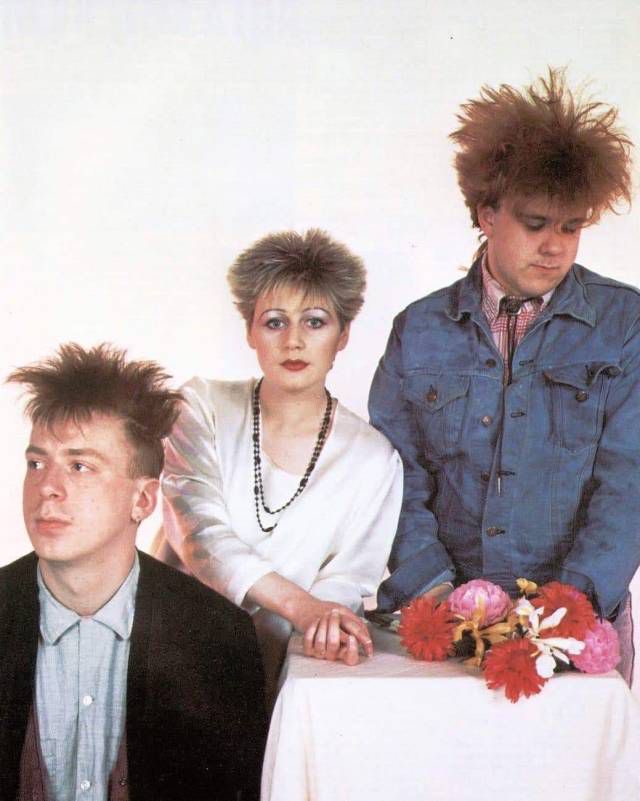
Echo & the Bunnymen
Their moody, poetic approach to post-punk flirted with goth sensibilities, marrying shadowy emotion with melodic songwriting and cinematic scope.
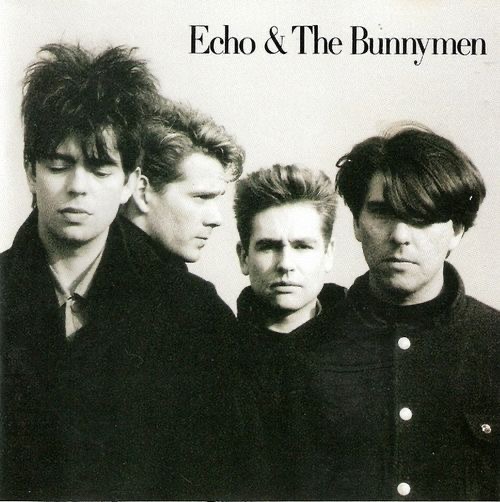
Dead Can Dance
Blending medieval, world, and classical influences, Dead Can Dance created an ethereal, otherworldly soundscape that expanded goth’s emotional and spiritual range.
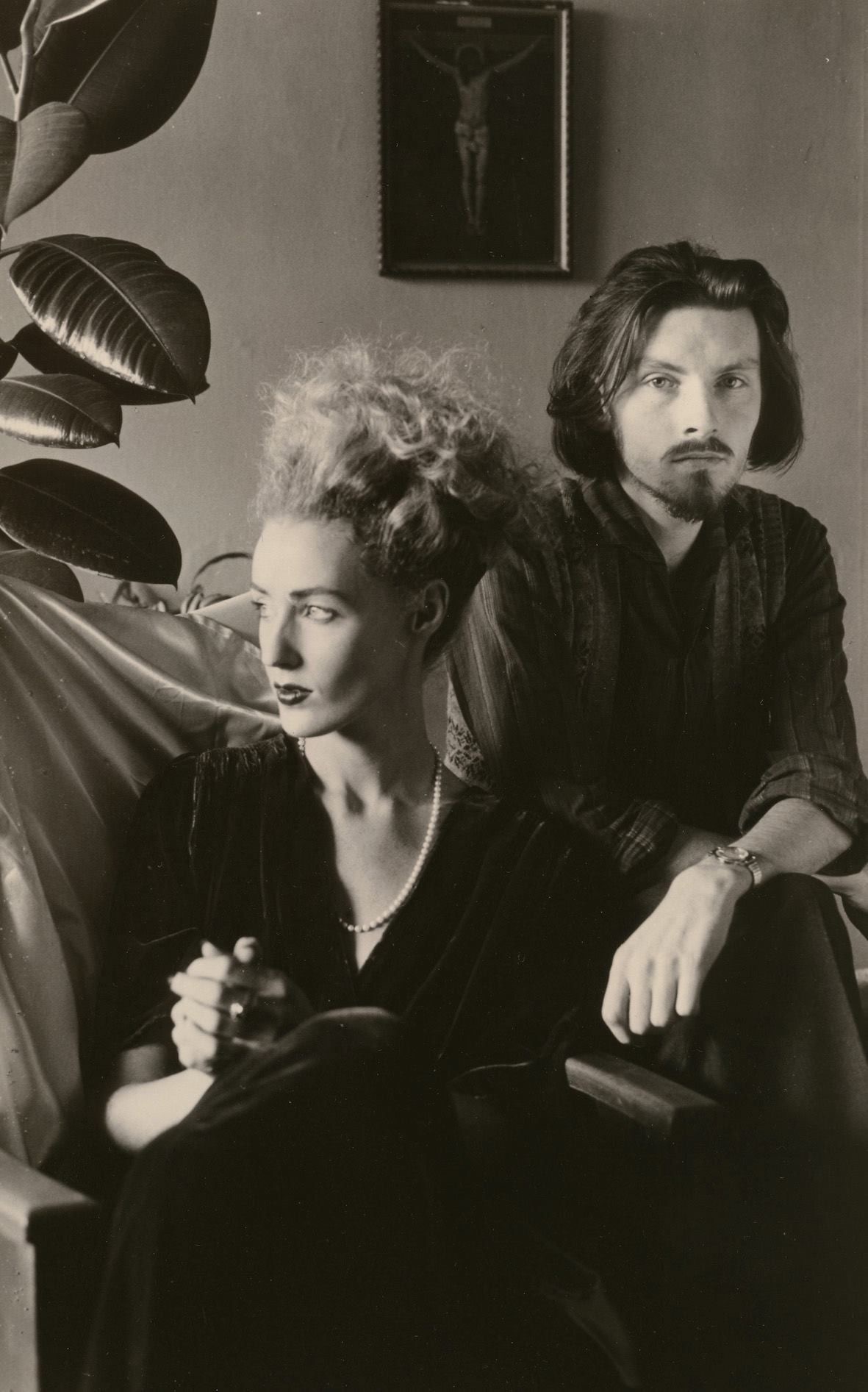
The Cult
Initially steeped in goth and tribal post-punk, The Cult’s early sound combined dark atmospheres with shamanistic imagery before evolving into hard rock stardom.
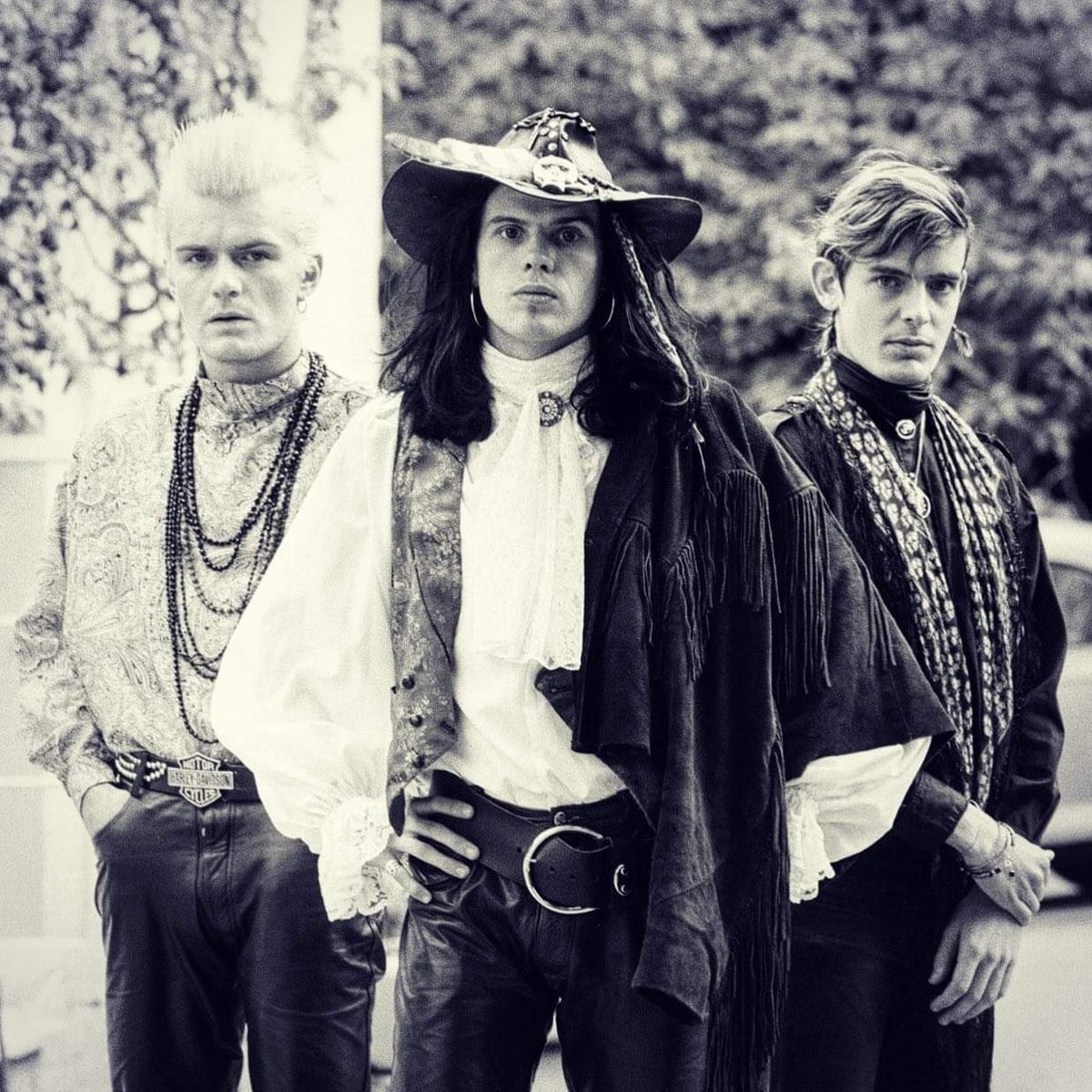
Killing Joke
Primal, apocalyptic post-punk. Their pounding rhythms and confrontational worldview injected goth with a sense of dread and urgency, influencing everything from industrial music to darker strains of alternative rock.
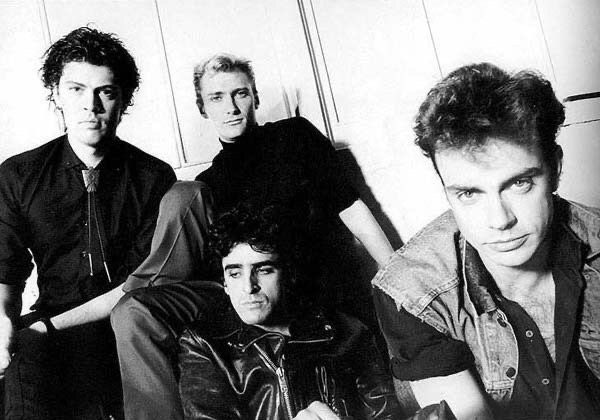
Nick Cave & The Bad Seeds
Drawing on Southern Gothic, biblical imagery, and noir storytelling, Nick Cave’s work explored obsession, violence, and redemption with a preacher’s intensity and a poet’s precision.
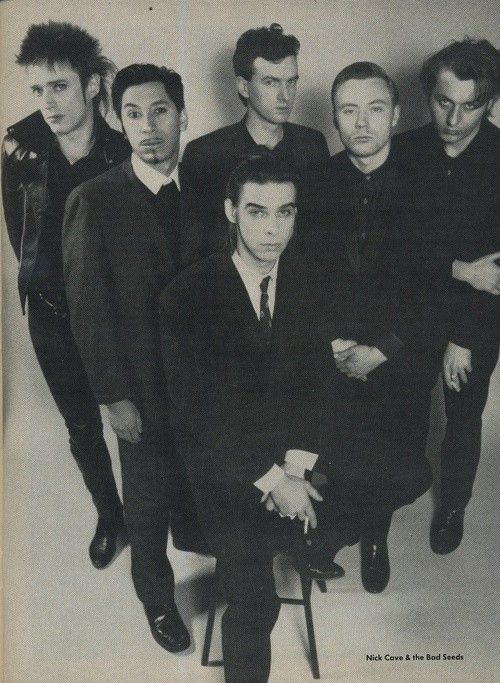
Bauhaus
Emerging from the UK post-punk scene in 1979, Bauhaus essentially invented goth rock with the nine-minute funeral dirge “Bela Lugosi’s Dead.”
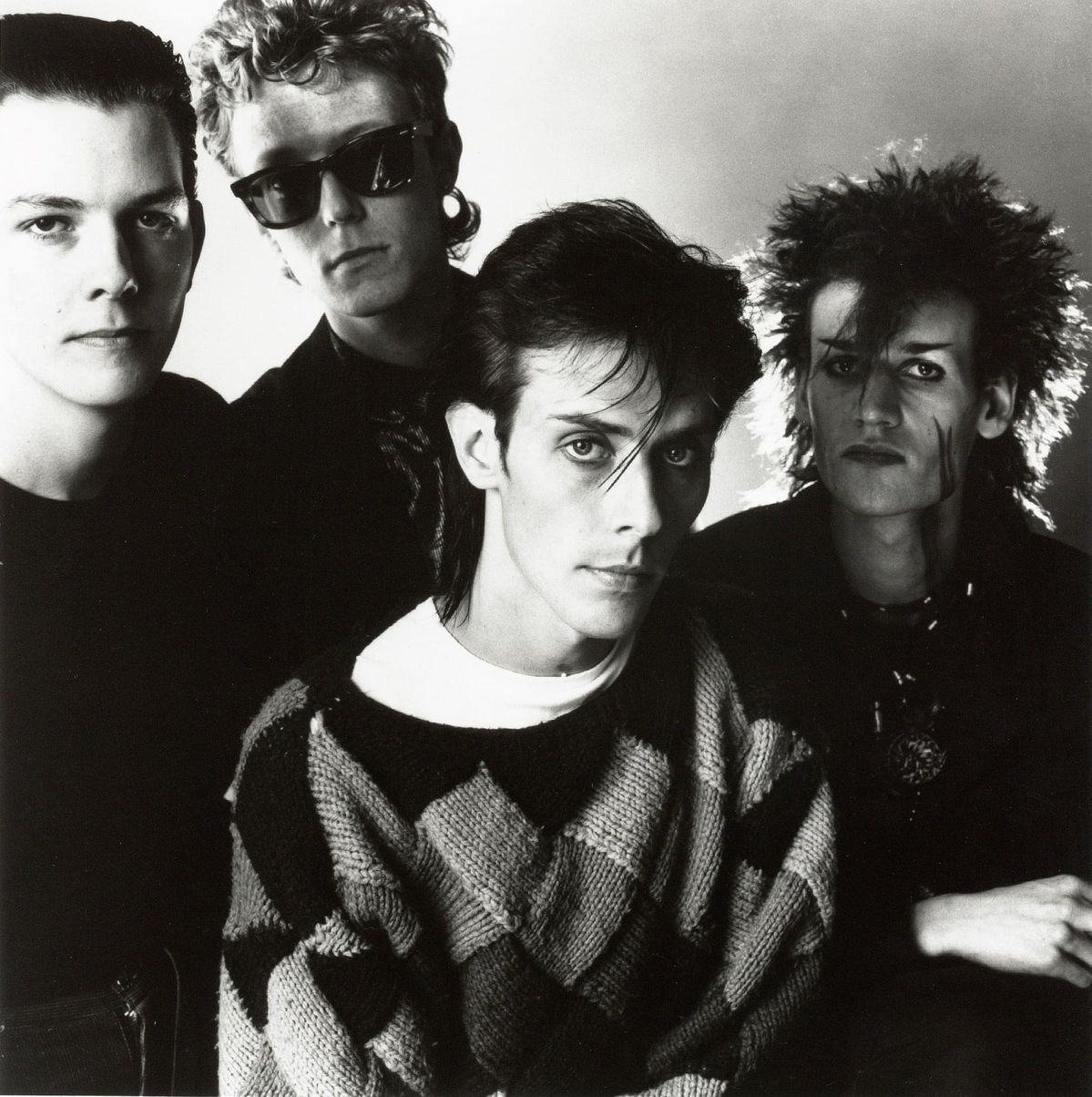
The Mission
Formed by ex-Sisters of Mercy members, The Mission blended gothic rock with anthemic choruses and spiritual yearning, offering a more expansive, hopeful take on dark music.
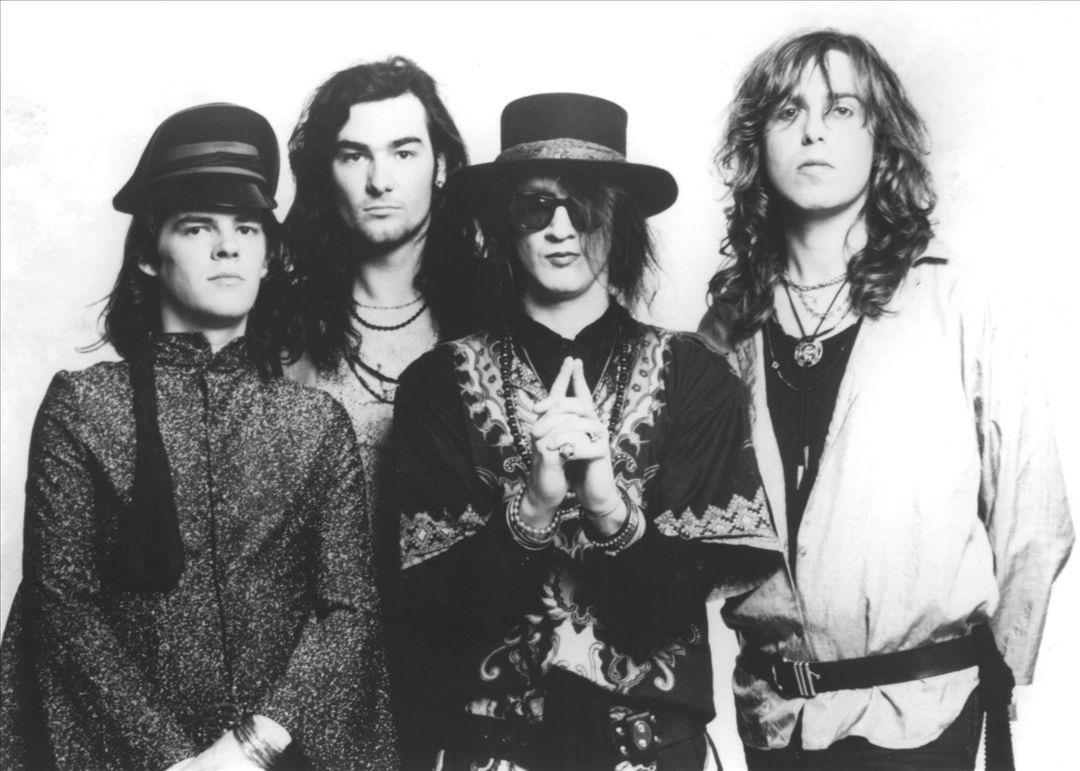
The Damned
One of the UK’s first punk bands, The Damned reinvented themselves with theatrical flair, macabre lyrics, and a sound that helped legitimize goth as a serious artistic movement.
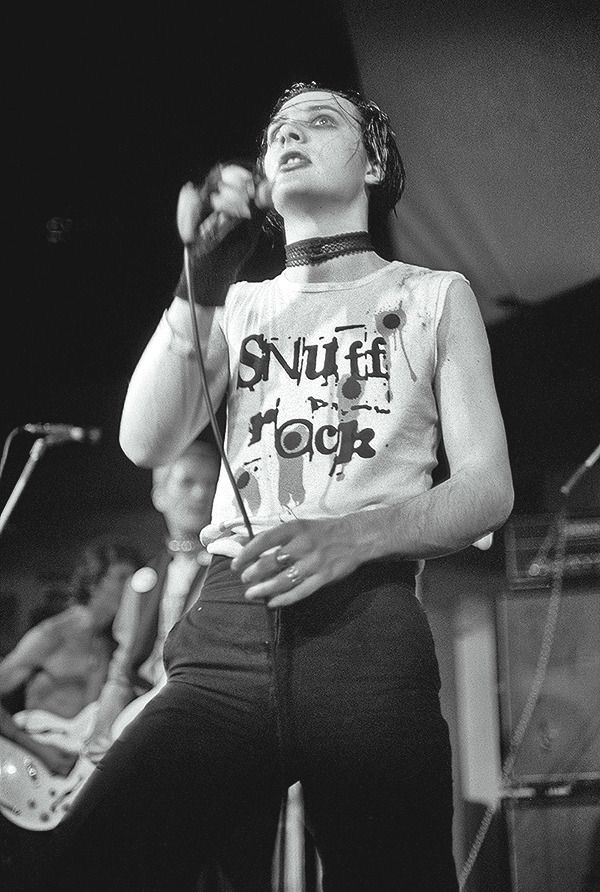
Joy Division
Joy Division’s stark rhythms, icy production, and Ian Curtis’s haunted vocals laid the emotional foundation for goth music, influencing nearly every dark alternative band that followed.
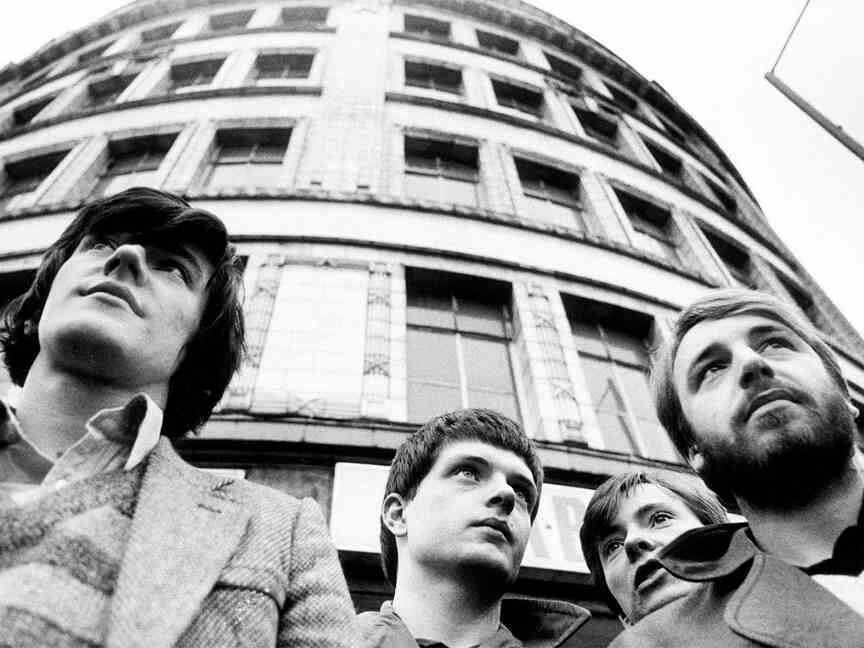
Christian Death
Provocative, confrontational, and drenched in blasphemous imagery, Christian Death fused punk aggression with gothic horror, shaping the darker edge of the US goth underground.
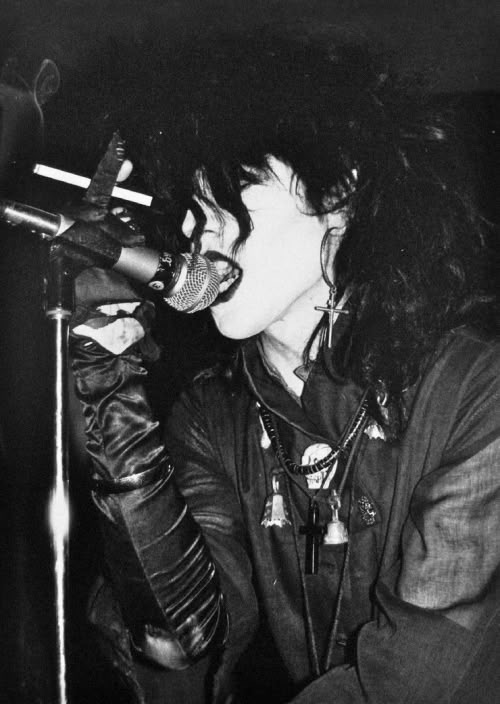
Clan of Xymox
Mixing cold synths with brooding guitar lines, Clan of Xymox bridged gothic rock and electronic music, helping define the melancholic, club-ready side of goth in the 1980s.
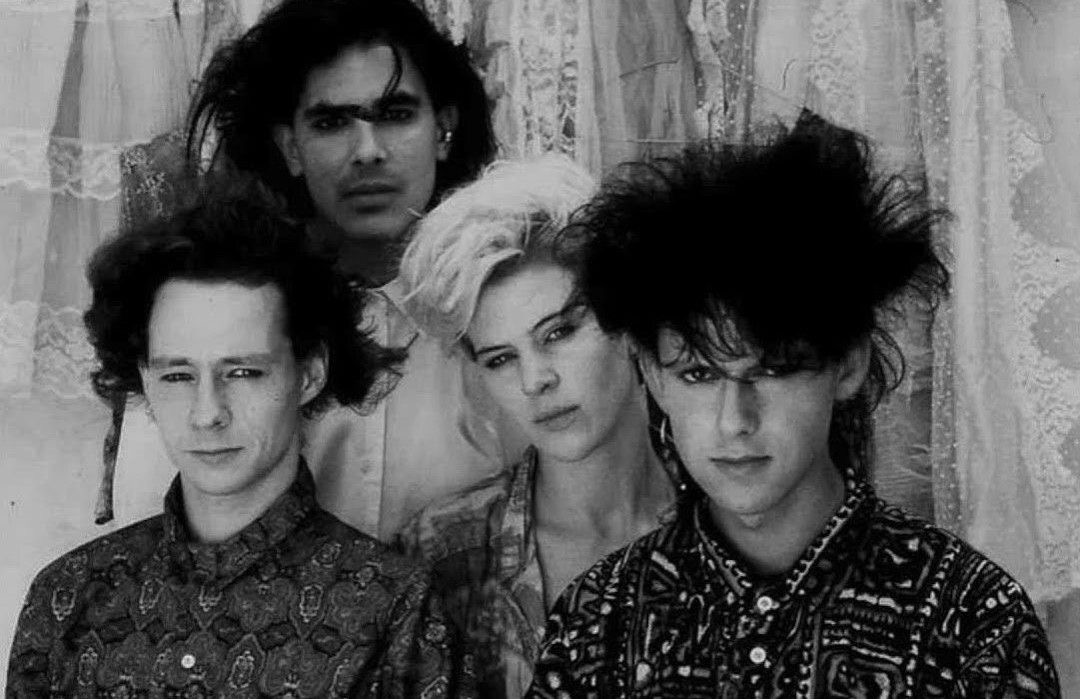
Fields of the Nephilim
Blending gothic rock with dusty western imagery and apocalyptic themes, Fields of the Nephilim created a heavier, more esoteric vision of goth steeped in ritual and atmosphere.
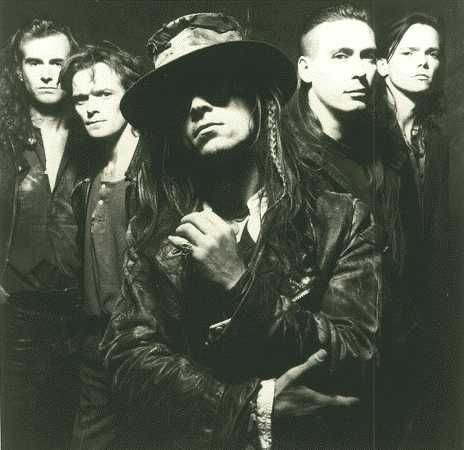
The Sisters of Mercy
Powered by drum machines, Andrew Eldritch’s baritone, and towering riffs, The Sisters of Mercy defined the archetypal goth rock sound: monastic, mechanical, and irresistibly dramatic.
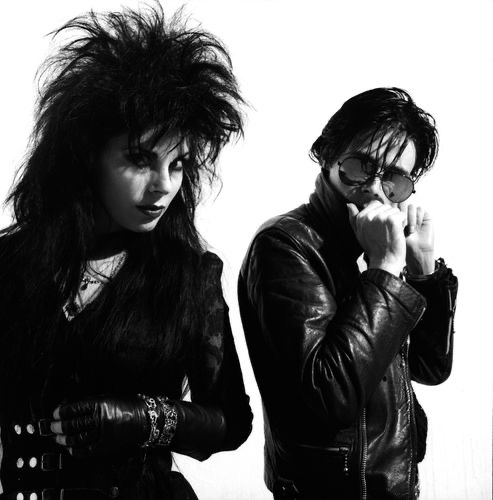
The Cure (early era)
Early Cure albums transformed post-punk gloom into aching, melodic goth classics, with Robert Smith’s voice capturing romantic misery and emotional isolation like few others.
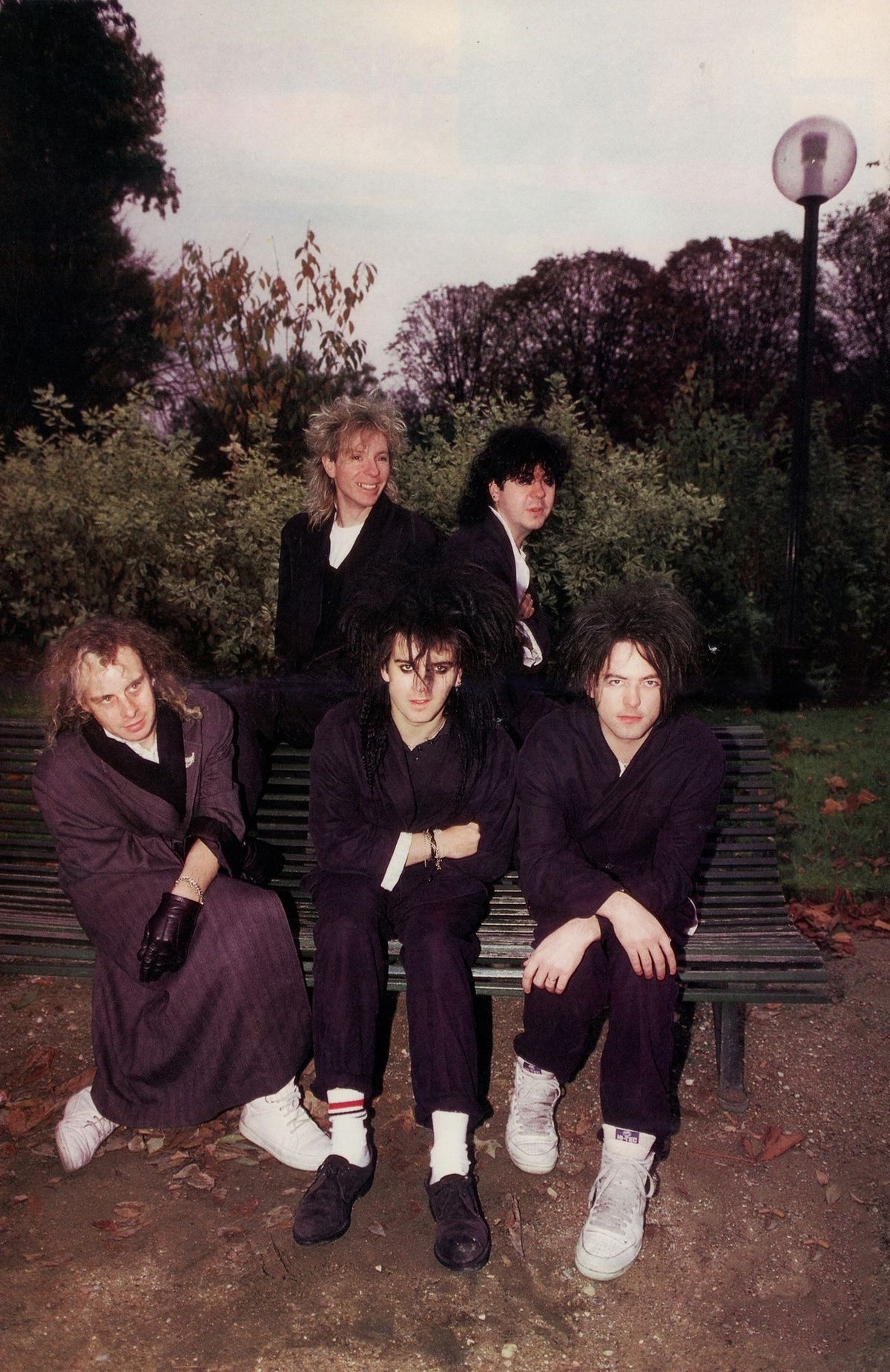
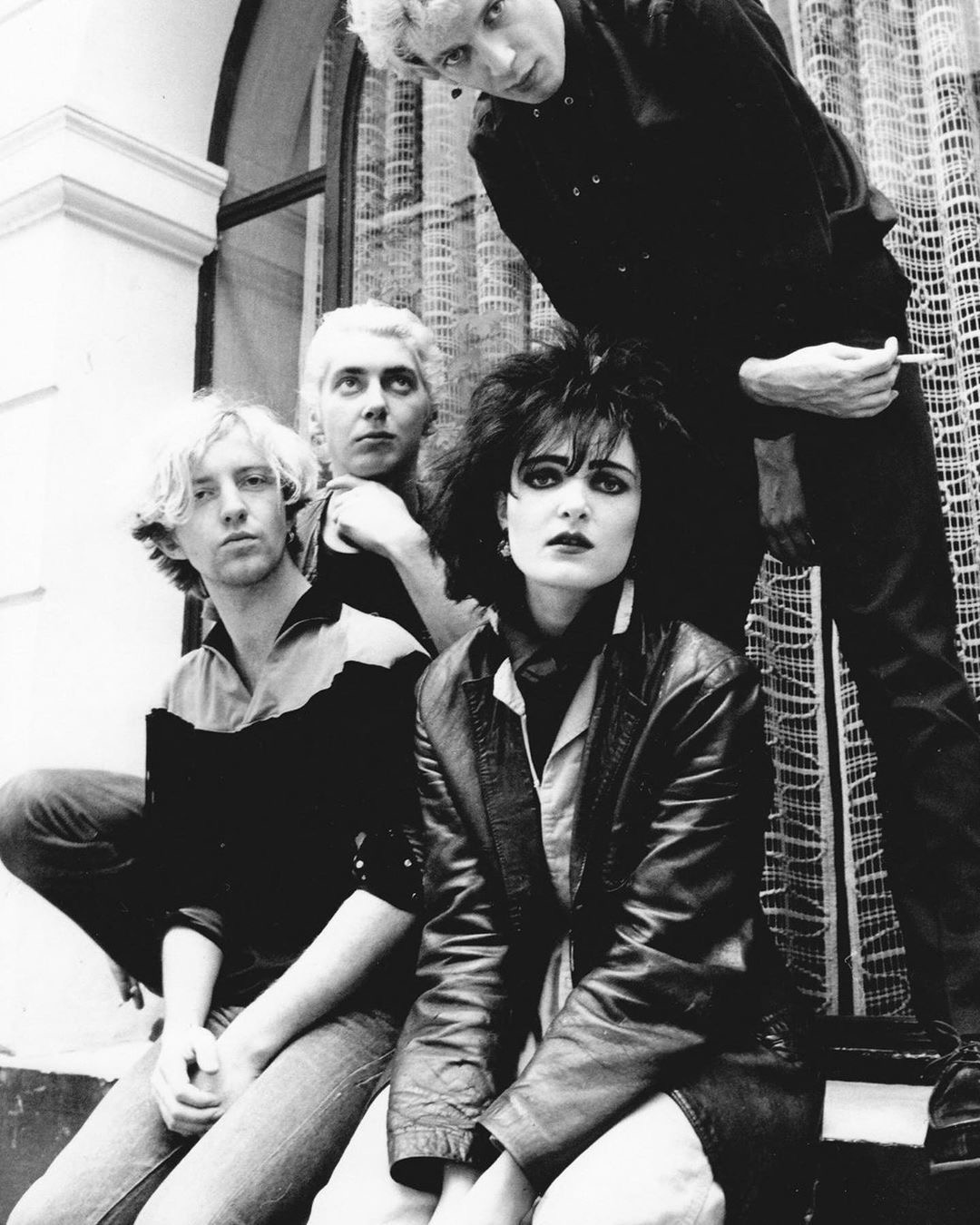
Siouxsie and the Banshees
Siouxsie Sioux’s commanding presence and the band’s angular, experimental sound shaped goth’s look and feel while pushing post-punk into darker, more theatrical territory.