 Barnorama Welcome To The Fun Barn
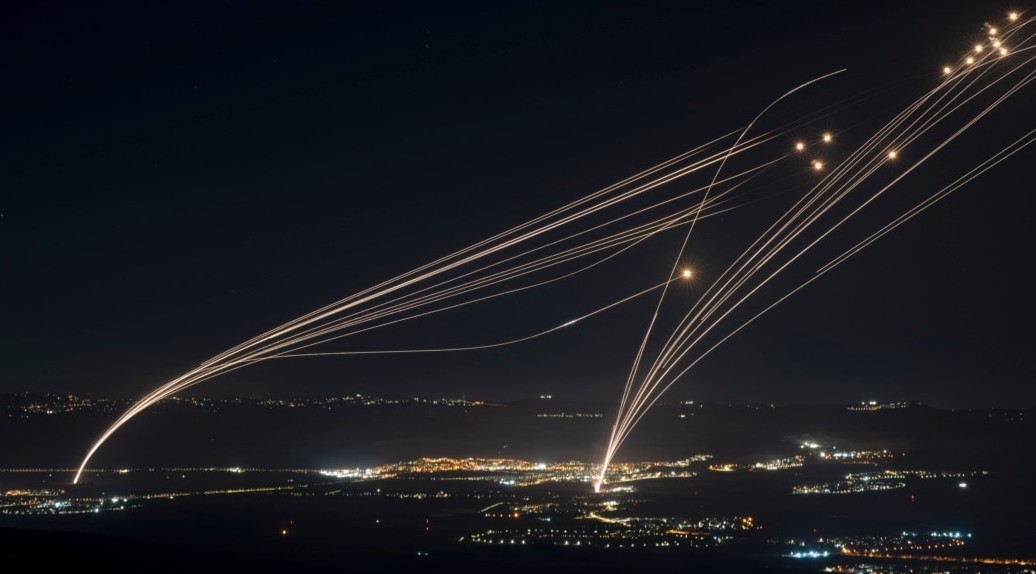
Middle East Tensions Rise After Reported Missile and Drone Attacks
Global tensions are dominating headlines after reported missile and drone attacks across the Gulf region raised concerns about a wider conflict in the Middle East. Reports indicate that Iran launched missiles and drones targeting locations that include oil-related sites in Saudi Arabia and vessels near the United Arab Emirates, intensifying fears about regional instability and potential economic fallout.
The story is trending heavily because the Middle East is tightly connected to global energy supply and key trade routes. When conflict touches oil infrastructure or shipping lanes, markets react fast—and so do search queries in the U.S. as people try to understand what it could mean for prices, travel, and the broader economy.
Why this conflict matters beyond the region
The Middle East plays a central role in global energy supply and international shipping. Any escalation that threatens production facilities or maritime routes can ripple across the world, affecting everything from fuel costs to supply-chain timing.
When energy routes feel less predictable, markets price in risk almost immediately.
That is why these headlines tend to move quickly from “breaking news” to “economic concern.” Even without confirmed long-term disruptions, uncertainty itself can trigger volatility.
Potential economic impact that Americans watch first
When geopolitical tension rises, the most visible effects often show up in areas tied to oil and transportation. Common pressure points include:
- Energy markets and potential shifts in oil prices
- Airline and shipping costs as fuel risk increases
- Financial markets reacting to uncertainty
- Trade routes and delivery timing if maritime security tightens
Because energy costs flow through the economy, consumers often focus on one immediate question: will this push prices higher—at the pump and beyond?
What governments are doing right now
Countries in the region and their allies are monitoring developments closely. Defensive systems have reportedly intercepted some of the attacks, while diplomatic efforts are underway to prevent further escalation. In situations like this, the next headlines often depend on whether responses remain contained—or expand the conflict footprint.
Why people keep searching for updates
When a major international crisis unfolds, people search for real-time clarity. Readers want to know what happened, what is confirmed, and what the realistic economic consequences could be. That mix of urgency and uncertainty is exactly why this topic trends so strongly in the U.S. news cycle.