 Barnorama Welcome To The Fun Barn
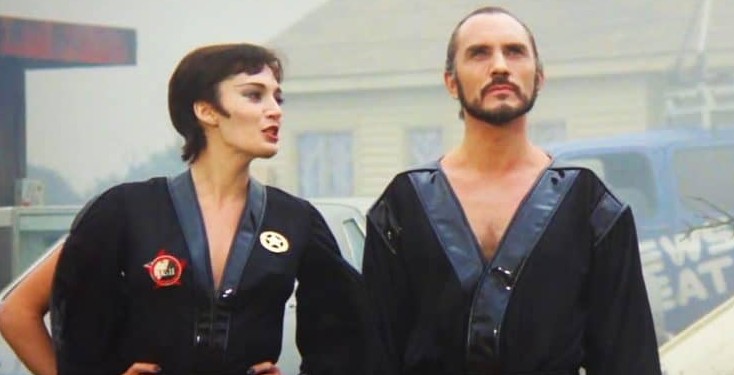
Some movie villains stick with you long after the credits roll. Years later, people still quote their lines, replay their scenes, and argue about what they really wanted. Heroes often stand for ideals. Villains tend to show the messier side of human nature: ambition with no brakes, conviction pushed too far, pain turned outward.
Think of characters like the Joker, Darth Vader, or Hannibal Lecter. Different worlds, different rules, same result. They are instantly recognizable across generations. Their presence changes the feel of the whole story. Take them out, and a lot of the tension goes with them.
The villains that last are not accidents. They are built with care, layered with meaning, and driven by motivations that make sense inside their fictional worlds. When a bad guy becomes a cultural fixture, it usually comes down to a handful of shared ingredients.
1. A Clear and Relatable Motivation
Most great villains do not wake up thinking they are the villain. In their own minds, they are solving a problem, fixing an injustice, or chasing a goal they believe is necessary. That conviction gives their actions weight, even when the methods are extreme.
The best antagonists can be summed up in one clean line. Thanos wants balance. Magneto wants safety for his people. The Joker wants to prove, in his own twisted way, that society is fragile. Their goals clash with the hero’s mission, but they are not thrown in at random.
Writers often clarify these motivations early in development through a villain template that maps out a character’s goals, fears, and personal logic so every decision feels intentional rather than convenient. When those internal drivers are clear, the character’s actions follow a consistent path, and the audience can track the cause-and-effect behind each turning point.
Without that clarity, a villain can feel scattered. With it, even a wild plan has a strange kind of credibility because it grows out of a recognizable belief system.
2. A Backstory That Shapes Their Worldview
A memorable villain is rarely born in the first scene they appear. Their worldview has been forming for years. Loss, betrayal, fear, humiliation, obsession, or a single defining moment can change the way they see everything.
Magneto’s childhood trauma informs nearly every decision he makes about power and protection. Killmonger’s rage grows from abandonment and systemic injustice. Darth Vader’s fall is rooted in fear of loss and a desperate need for control. These backstories do not excuse what they do, but they explain why the villain believes they are right.
When the past and present connect, the character feels grounded. The villain’s choices become extensions of earlier wounds or beliefs, not plot devices that appear because the story needs a twist.
A good backstory also pulls the audience closer. Viewers can disagree with the villain’s choices and still recognize the pain or ambition underneath. That recognition adds tension, and it makes the character harder to forget.
3. Intelligence or Strategic Competence
Villains get a lot more interesting when they are capable. A smart plan raises the stakes by forcing the hero to adapt. When the antagonist thinks ahead, the story feels less predictable and more intense.
Hans Gruber in Die Hard stays in control through preparation and precision. Hannibal Lecter remains several steps ahead of the people trying to contain him. Thanos gathers allies and resources over time instead of charging in on impulse. Competence can be unsettling because it makes the threat feel real.
It also fuels suspense. If a villain consistently outmaneuvers others, every confrontation comes with genuine uncertainty. The audience cannot assume the hero will coast to a win.
A strategic antagonist does more than cause trouble. They pressure the world around them. Their plans show foresight, adaptability, and an understanding of consequences. When the villain’s moves follow a deliberate strategy, the conflict feels earned.
4. A Consistent Moral Code
Even the most ruthless villains often have rules. That consistency makes them believable. When an antagonist operates according to a set of principles, their actions feel deliberate instead of random.
Some villains value order above everything else. Others worship loyalty, freedom, revenge, or personal ambition. Anton Chigurh in No Country for Old Men follows a rigid philosophy about fate and chance. Thanos believes sacrifice is necessary for balance. Their codes may be distorted, but they remain steady.
That internal framework shapes how a villain treats other people. It determines who they spare, who they punish, and what lines they refuse to cross. Audiences may not agree with the reasoning, but they can usually understand the logic behind it.
When a villain’s behavior lines up with a recognizable belief system, the character gains depth. Their choices connect, and that coherence strengthens their presence in the story.
5. Psychological Depth and Internal Conflict
The villains that endure are rarely one-note. Beneath the confidence or cruelty, there is often doubt, fear, contradiction, or something they cannot fully admit to themselves. That psychological layering makes them feel human, even when their actions are extreme.
People can do harmful things while still seeing themselves as reasonable, and those mental shortcuts show up in everyday life in the six common ways people justify unethical behavior. The same pattern shows up in film all the time. A villain may cause destruction and still believe their choices are logical, necessary, or even morally sound within their own worldview.
Internal conflict deepens that complexity. A character who wrestles with guilt, loyalty, or hesitation feels more authentic than one who acts without reflection. A brief pause, a flicker of regret, a moment of strain can reveal cracks beneath a composed exterior, and those cracks add unpredictability.
Psychological depth keeps a villain from becoming a simple obstacle. The character becomes a fully realized presence with layered reasoning, which is often what separates the iconic from the forgettable.
6. Charisma and Screen Presence
Some villains take over a scene the moment they appear. It might be the way they speak, the calm confidence in their posture, or the unpredictability in their expression. Charisma does not always mean charm. It means presence.
The Joker’s unsettling laugh, Loki’s sly wit, and Anton Chigurh’s quiet intensity create tension before anything major even happens. Their dialogue is measured. Their movements are controlled. Even silence can feel threatening when it comes from someone who commands attention.
Performance matters a lot here. The right actor can take a well-written antagonist and make them unforgettable with small choices: a slight smile, a dead stare, a pause that lands like a threat. Those details can make the character feel bigger than the moment.
When a villain has real screen presence, every interaction feels charged. The audience watches more closely because they sense something could change in an instant.
7. Symbolism and Thematic Weight
Many memorable villains represent more than themselves. They embody fears, ideas, or cultural tensions that stretch beyond the plot. When an antagonist reflects something larger, the character carries extra weight.
The shark in Jaws works as a force of nature and a symbol of unseen danger. The Terminator taps into anxiety about technology turning on us. Emperor Palpatine embodies how corruption can grow inside systems of power. These villains function as characters and thematic anchors.
That symbolism helps a villain last. When viewers connect an antagonist to real-world concerns or universal fears, the character becomes part of a bigger conversation. The story feels less confined to its fictional setting.
The added meaning strengthens the impact. The villain challenges the hero while carrying an idea the audience keeps thinking about.
8. Emotional Impact and Cultural Staying Power
Some villains keep sparking conversation decades later. Their lines become memes. Their philosophies get debated. Their scenes get rewatched, re-cut, and reinterpreted by people who were not even born when the movie came out. That kind of longevity usually comes from emotional impact.
A villain who lasts leaves a mark that goes beyond spectacle. They can provoke fear, fascination, admiration, or reluctant empathy. Those reactions keep the character alive in cultural memory, especially when audiences revisit roundups and discussions of big-screen bad guys people secretly rooted for.
Staying power also grows through argument and reinterpretation. Viewers break down motivations, fight over moral choices, and compare portrayals across remakes and sequels. That ongoing engagement strengthens the villain’s legacy and ties them to the story’s identity.
When a character still gets a reaction long after the credits roll, it usually means the villain was built to land emotionally, not simply to create obstacles.
Conclusion
Movie villains endure because they are built with intention. Clear motivation, meaningful backstory, intelligence, moral consistency, psychological depth, charisma, symbolism, and emotional impact all contribute to their staying power. Together, those elements create antagonists who feel grounded and compelling within their worlds.
Heroes often steer the plot forward. Unforgettable villains crank up the intensity. They sharpen the conflict, deepen the themes, and leave audiences with lingering questions after the final scene fades to black.