 Barnorama Welcome To The Fun Barn
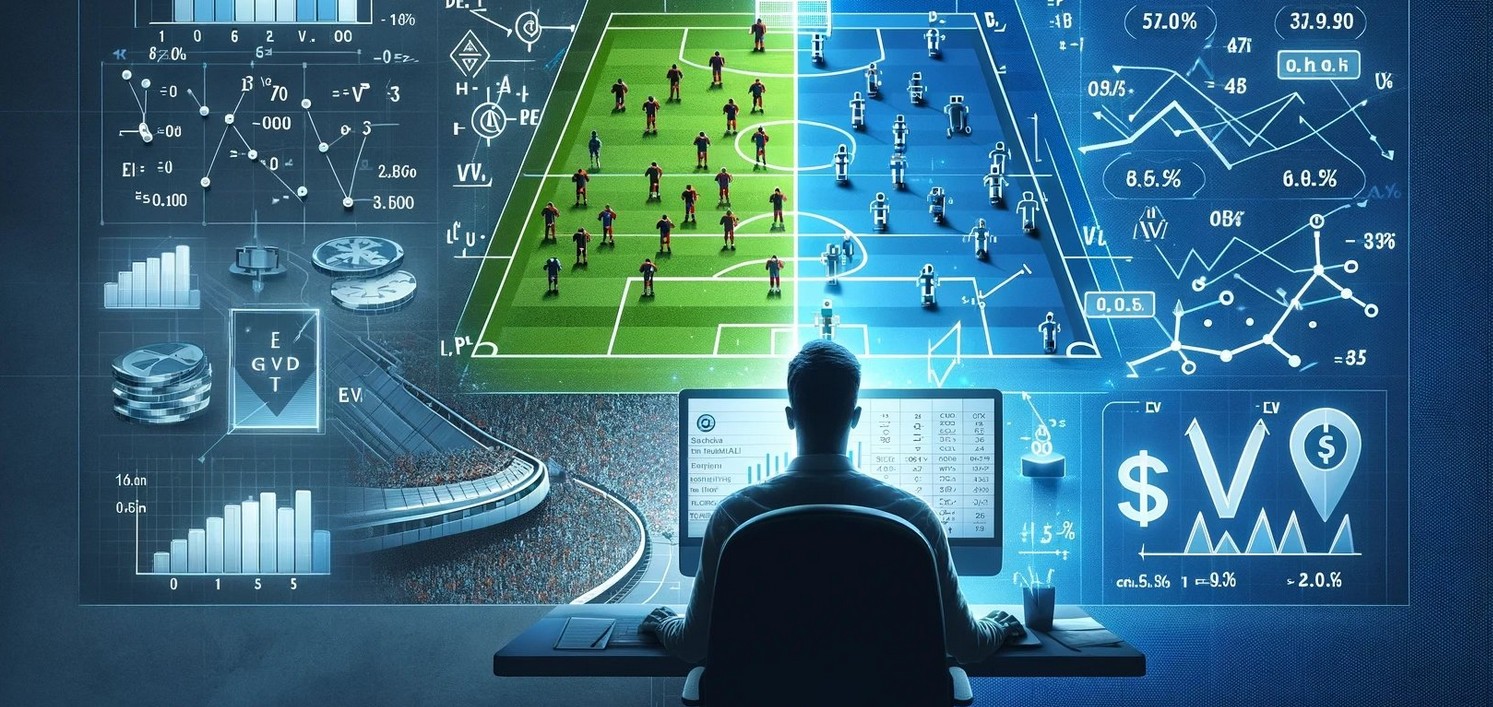
Odds look simple on the surface. A number on a screen tells you what a payout might be if your pick comes through. But behind those numbers sits a web of calculations, data streams, and careful adjustments. Betting markets are built on more than guesses; they are the product of technology and analysis working to balance risk while keeping the experience fair and engaging. Platforms such as Betway’s betting site and app give a front row view of how this balance plays out, presenting odds that shift as games approach and evolve once they begin.
How data drives the first line
When odds are set, bookmakers like Betway start with raw data. Historical results, team form, player statistics, injury reports, even the conditions under which a game will be played. All of it is weighed. The goal is to create a probability model that reflects how likely an outcome is. If a football team has won eight of its last ten matches and is playing at home, the model will tilt toward that side.
But no model is perfect. That is where live feeds of information matter. As team news drops or unexpected injuries occur, the data refreshes and odds move. Technology makes these adjustments possible at speed. Without it, odds would quickly grow stale and lose relevance.
The role of the spread
In sports like basketball or American football, spreads are used to level the playing field. A heavy favorite might be given a handicap, forcing them to win by a certain margin for the bet to pay out. This is not just about keeping games interesting. It ensures that wagers come in on both sides. The spread is a tool that balances action, preventing one-sided betting that could expose platforms to major risk.
Setting the spread is a process of fine tuning. If too many people back one side, the line shifts. This adjustment encourages more balance, creating a market where both outcomes draw interest.
Where margin fits in
Margins, often called the “house edge,” are another layer. They are built into odds to ensure the bookmaker keeps a small percentage regardless of outcome. It might be hidden in the numbers, but it is there. Technology helps calculate these margins precisely, allowing platforms to protect themselves without making odds so unattractive that fans look elsewhere.
Why it matters to players
For players, understanding the technology behind odds is less about learning formulas and more about reading the signs. Odds are not just numbers; they are reflections of data, market movement, and calculated margins. Recognizing how and why they shift provides context. It helps explain why a team’s price might lengthen after a poor warm-up or shorten dramatically when news of a star player’s recovery breaks.
In the end, betting markets live on constant motion. Data feeds the models, spreads balance the action, and margins protect the platform. Together, they create odds that are always moving, always adjusting, and always telling a story about the game before and as it unfolds.