 Barnorama Welcome To The Fun Barn
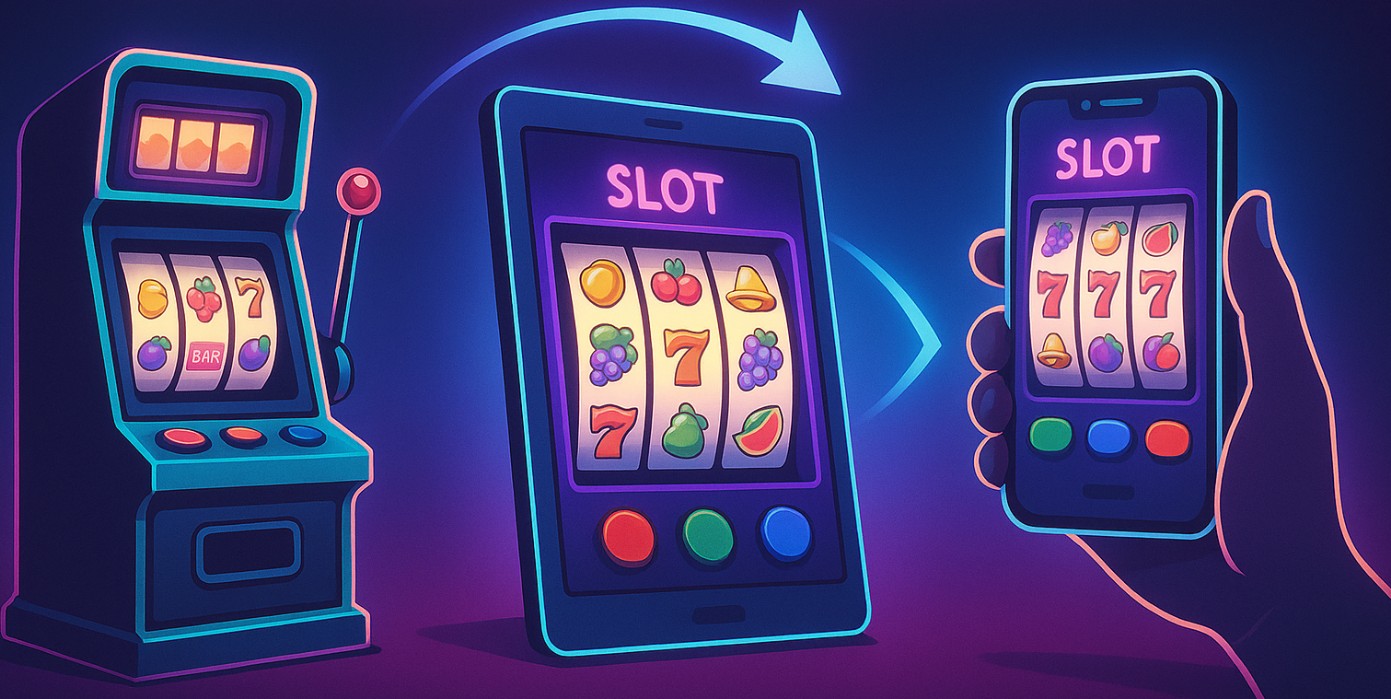
The first online slot machines appeared shortly after the internet found its footing in households in the mid-1990s. They were simple, digital versions of the traditional fruit machines in bars and casinos. Slots were made with limited graphics, no themes, and basic gameplay. They offered convenience, so users could spin reels on a screen at home.
As the internet advanced, developers began adding paylines, colours, and bonuses that brought a new level of engagement. Today, players can access hundreds of themed slot games across platforms like Virgin Games. Platforms now have features such as progressive jackpots, including titles under the Jackpot King series with a modern, user-friendly interface.
In the early 1990s, playing classic games on a computer screen was revolutionary. Microgaming is credited with launching the first online slot in 1994, combining digital reels with real-time payout systems. These early games didn’t offer much beyond what you’d find in a pub machine: three reels, one payline, and fixed jackpots.
For users accustomed to coin-fed cabinets, the ability to click a button and play from a desktop was enough to change the game. By the end of the decade, more developers had been building upon the idea with slightly better visuals and some audio features. Limitations in internet speed and browser support kept the experience fairly basic.
Introduction of Bonus Features and Themes
As of the 2000s, a new phase of development introduced themed slots. Titles based on mythology, adventure, or retro aesthetics began to appear, giving players a more tailored experience. Bonus rounds, scatter symbols, and wilds became regular features.
Developers could now include richer animations and sound effects, and users had stronger internet connections to support them. Video slots, games that used a screen for spinning rather than mechanical reels, opened the door for creative game design.
Then came the launch of progressive jackpots, in which rather than fixed payouts, prizes increased incrementally each time a player placed a wager. Some of the largest online wins recorded have come from progressive jackpot slots.
Browser-Based to App-Based Play
Initially, most online slots required players to log in through a web browser on a desktop. This began to change when mobile technology improved. Smartphones and tablets became capable of holding better graphics, and developers were comfortable creating mobile-first designs.
Slots became responsive, designed to scale across devices. Touchscreen controls replaced mouse clicks. App stores started filling with slot game options, some free, some real-money, with features adapted for smaller screens.
Developers, such as NetEnt, Playtech, and IGT, refined their mobile offerings to be as smooth and feature-rich as their desktop counterparts. By the mid-2010s, mobile slots made up a large share of total play activity.
Interactive Design and Storytelling
Modern slot design is about more than spinning and winning. Today’s titles often include narratives, progressive maps, unlockable content, and characters that develop over time.
Titles are now inspired by blockbuster films, TV shows, and pop culture icons that use recognizable audio and visuals to create a familiar environment. Game mechanics are designed with story elements, giving each spin more context.
Alongside these changes, developers began using 3D graphics, orchestral soundtracks, and cinematic intros to make slots look and feel more like video games. In some cases, gameplay is spread across chapters like in mobile RPGs and adventure formats.
Social Integration and Community Play
Slot games have traditionally been single-player, but the last decade introduced more ways for players to feel part of a shared experience. Leaderboards, community jackpots, and multiplayer tournaments are now common in many games.
Social slots, especially popular in app form, allow players to send and receive gifts, join teams, and share progress with friends. Even in real-money platforms, chat features and shared progress bars have helped recreate some of the social aspects of land-based venues.
This community approach brings about accountability, feedback, and ongoing engagement, as players stay connected through in-game achievements and events.
Technology Behind the Evolution
Backend improvements support technological advancements. Random Number Generators (RNGs) became more reliable, ensuring fairness across games. HTML5 replaced Flash, giving slots smoother play across browsers and mobile platforms without plugins.
Cloud-based servers allowed for faster game loading and secure data handling. Players can now switch between devices without losing progress or performance.
Additionally, game developers introduced tools that promote safe and responsible play, like daily limits, time trackers, and self-exclusion options. This helps players manage their activity over time.
Conclusion
Online slots have changed a lot since their early digital days. What began as a digital copy of a mechanical machine has grown into an ecosystem of themed entertainment, multi-platform access, and interactive gameplay.
With mobile-first design, social features, and dynamic visuals, today’s games have years of advancement. Slot players can now browse options, including progressive jackpot titles that showcase modern slot development at its most ambitious.