 Barnorama Welcome To The Fun Barn
At first glance, these objects seem to make no sense at all — strange shapes, baffling purposes, and a few that look downright alarming. But every single one has a perfectly good explanation. Scroll through, take your best guess, then find out what each one really is.
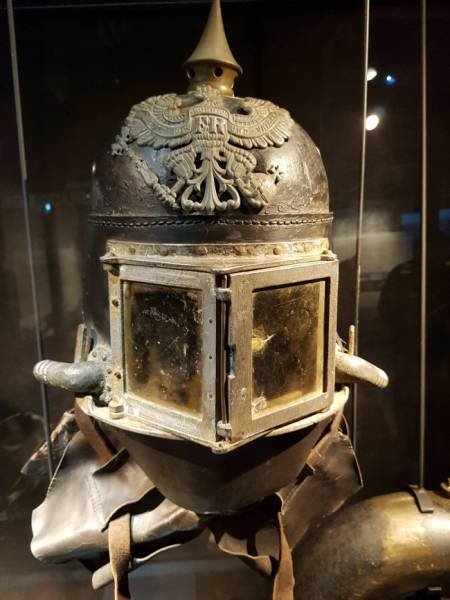
It’s the helmet of a WWI flamethrower operator. The German army was the first to deploy the flamethrower as a weapon, between 1912 and 1915.
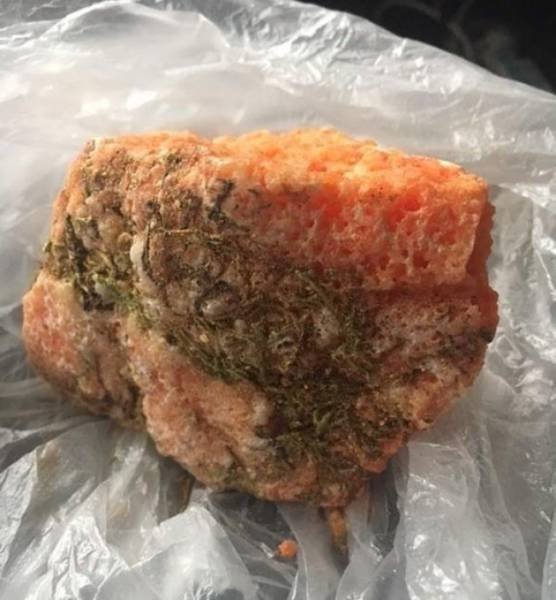
This is what wild bee honey looks like — sometimes called stone honey. Under natural conditions the nectar crystallizes quickly and hardens into a solid mass. Some regard it as its own rare and prized variety among gourmets.
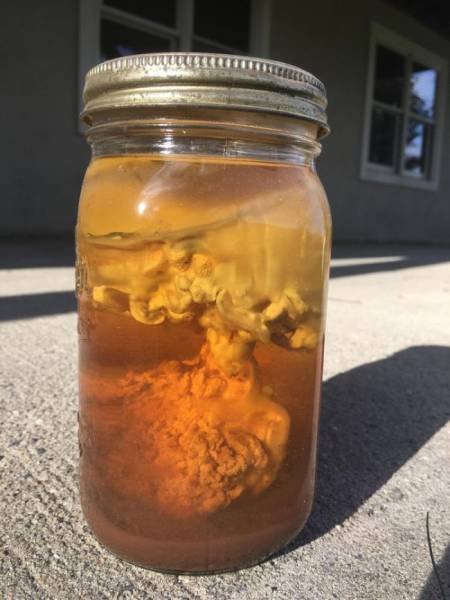
This homemade juice fermented and turned into vinegar, forming a “mother of vinegar” (Mycoderma aceti) inside. Off-putting as it looks, it’s completely harmless and can be used to make more vinegar.
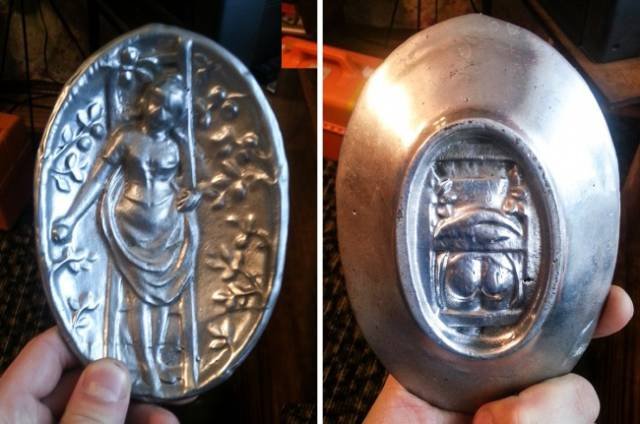
It’s a holder for the silk napkins that nobles once used in place of toilet paper. The bare backside pictured on the other side was essentially a helpful diagram of how they were meant to be used.
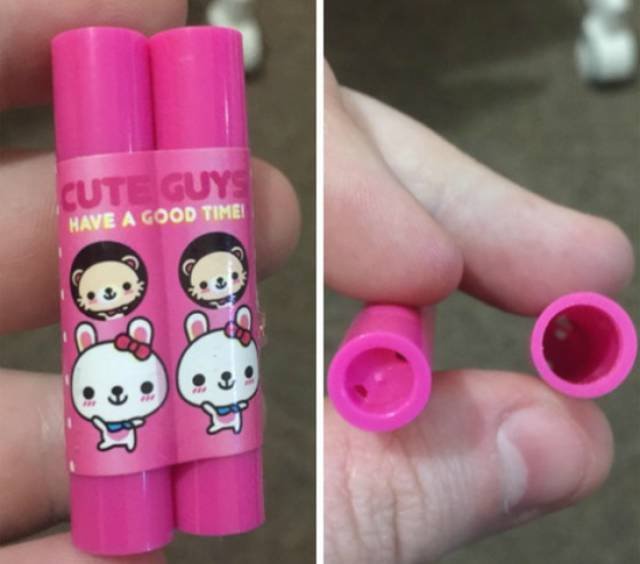
These are protective caps for pencils. They shield the tip and keep it perfectly sharp.
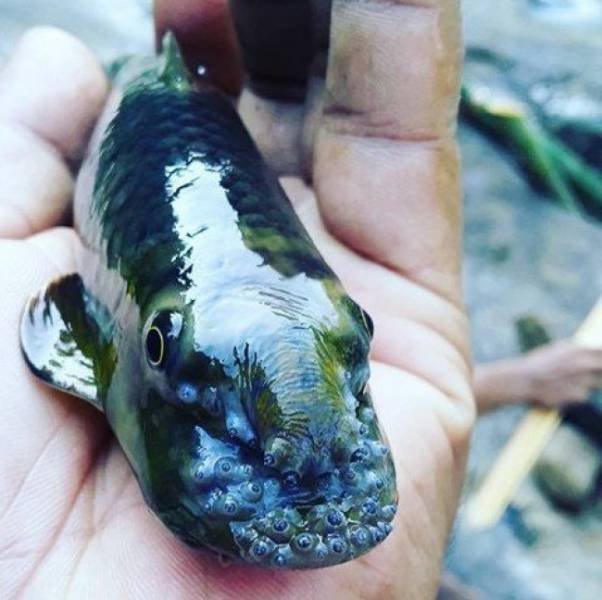
It might look unwell, but this is completely normal for the species. It’s a Garra fish, a recently discovered member of the Cyprinidae family.
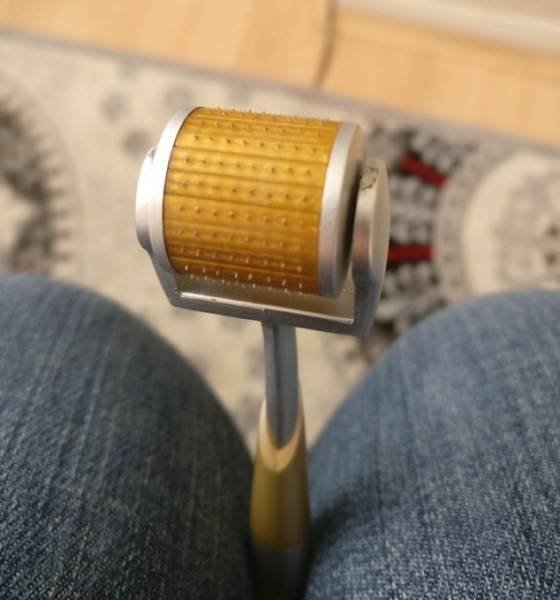
It looks menacing, but it’s just a derma roller. It’s used to boost skin elasticity, shrink pores, and reduce the appearance of acne scars.

The first of these signs appeared near cotton factories. Harsh working conditions left workers with serious lung disease, forcing them to sleep sitting up and often nap on terraces during the day, so roadside signs asked drivers to keep quiet. Today they’re placed near homes where people need peace and rest, such as hospices.
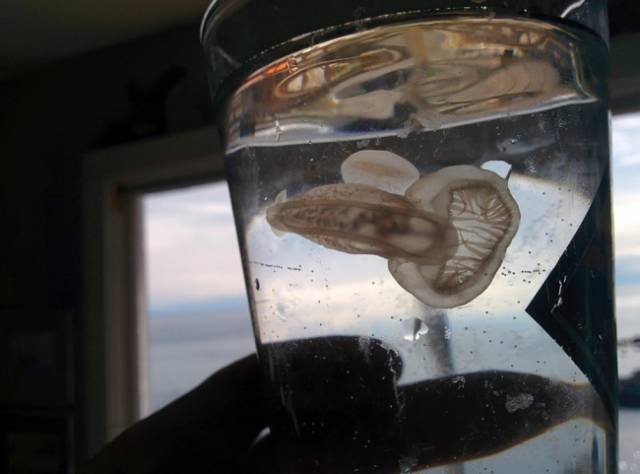
This alien-looking thing is a nudibranch — a shell-less sea slug. It cruises around with that flamboyant hood and feeds on jellyfish, crustaceans and sponges. The dark eggs inside are its meal. Fittingly, one of its relatives happens to look like a rabbit.

Not everyone will relate, but plenty will appreciate it — it’s a cushion mounted above a urinal, there to rest your forehead against while you go.
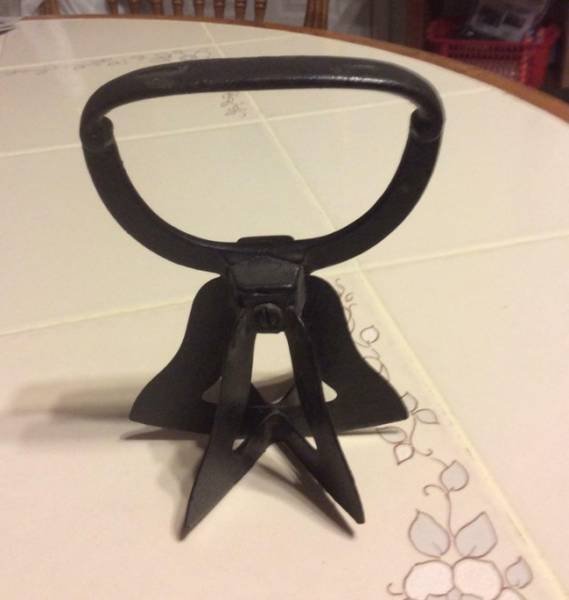
This was once used as a vegetable cutter, letting you chop vegetables or nuts quickly by hand.
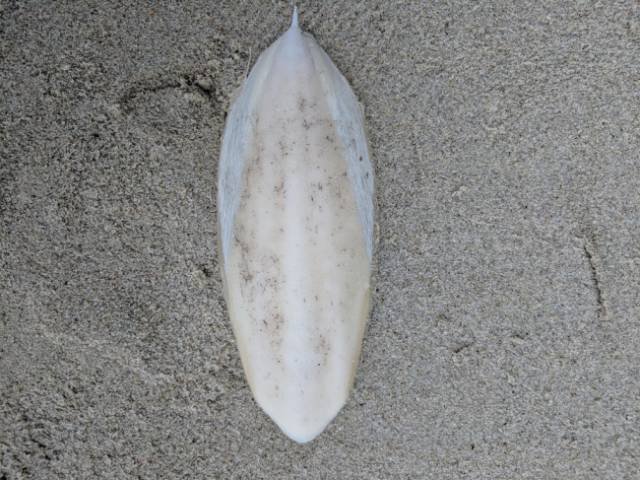
If you’ve owned a parrot, you’ve probably bought one of these as a calcium source — it’s a cuttlebone. It was once used to make tooth powder, and today jewelers rely on it because its high melting point makes it easy to shape into a mold and pour gold into.
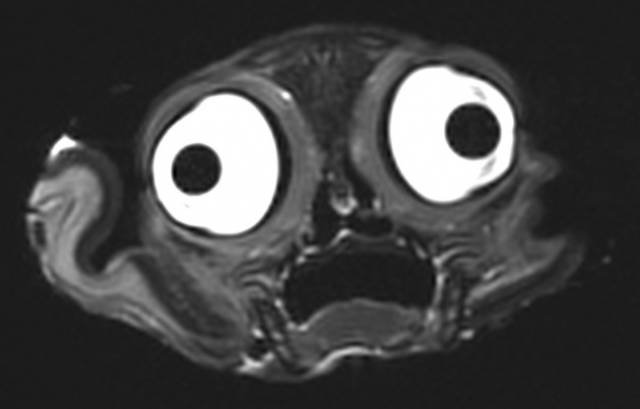
It’s not a frog, a clown, or an elk — this is what the brain of a one-year-old sea lion looks like.
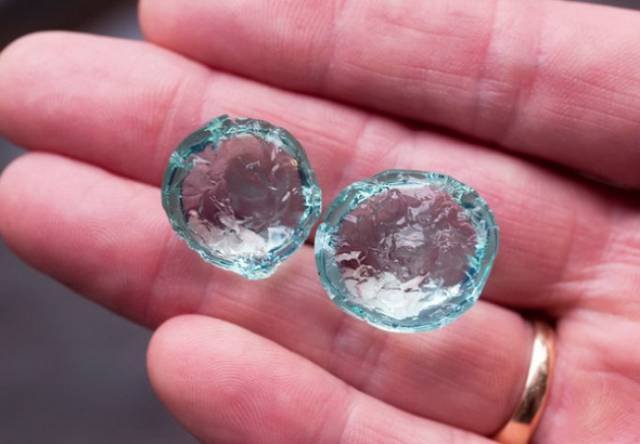
Steve Hornsby, 60, spotted these clear, jelly-like, marble-sized beads seemingly falling during a hailstorm. Scientists say they’re “marine invertebrate eggs,” most likely carried to his property on the feet of birds.

Nothing supernatural — it’s simply one of the jelly-like fungi, which feed on rotting leaves and dead trees.
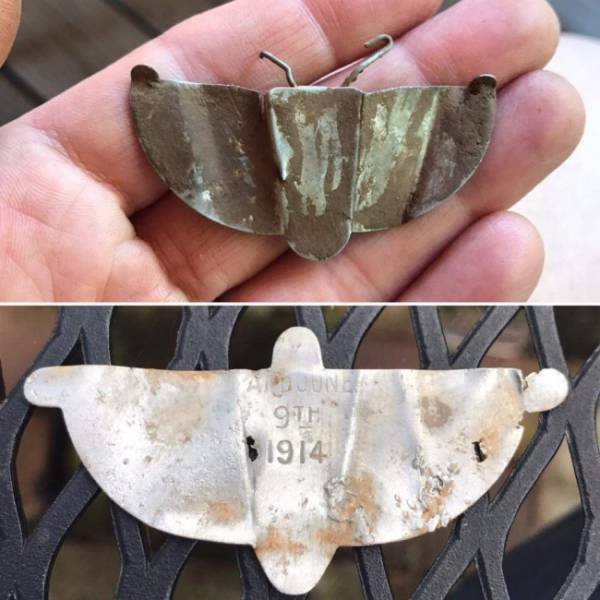
No hidden listening device here — it’s just part of a lid, the spout-dispenser piece from a jar of salt.
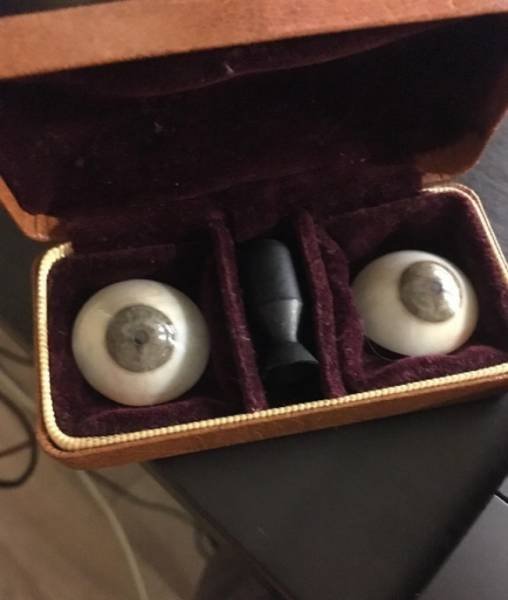
The truth is more ordinary than it looks — these are ocular prostheses made to match real human eyes. And no, they aren’t the full spheres movies would have you believe.
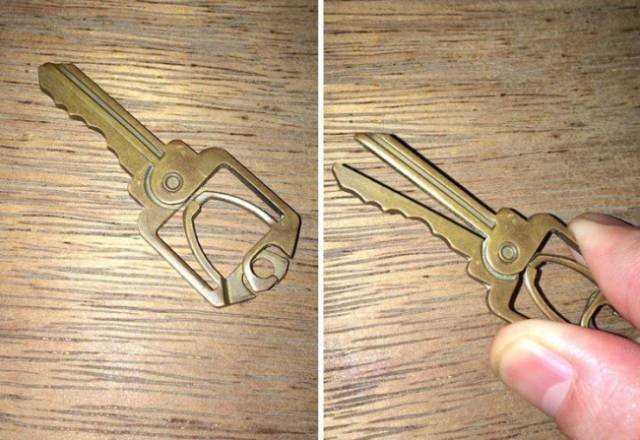
It’s a small clip sold in specialty tobacco shops, designed to hold the end of a cigarette.
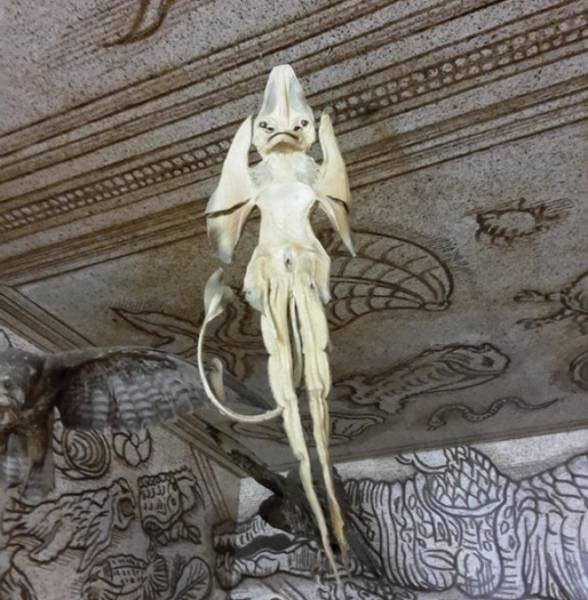
It’s a Jenny Haniver — a figure made from the dried bones of rays or skates. Long ago, sailors from Antwerp amused themselves by passing these off as sea demons, and some scientists even took the “mystery” seriously enough to study it.
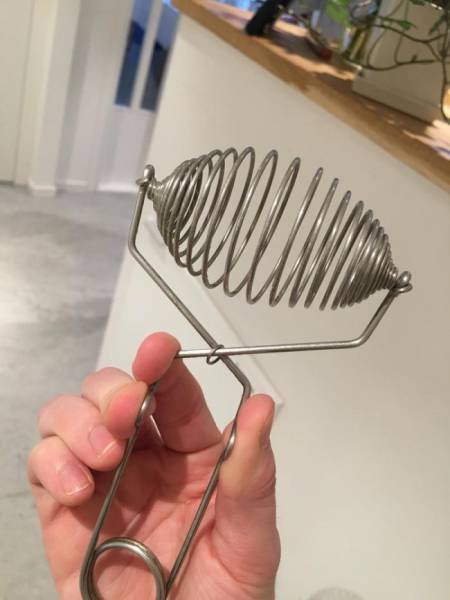
It’s used to dust flour over dough or sprinkle powdered sugar over a pie.
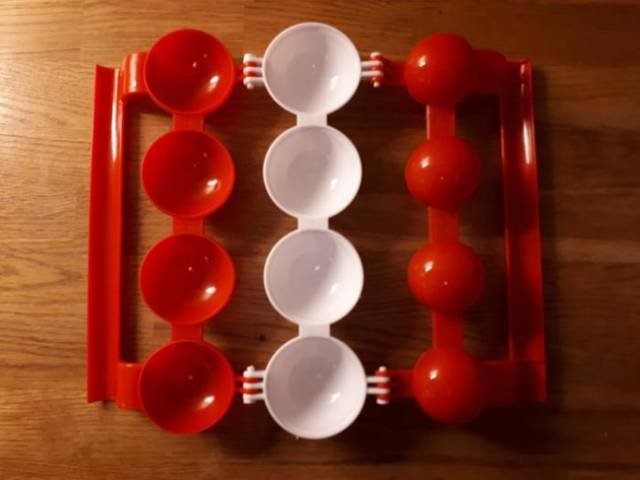
It’s a meatball maker. Meat goes into the white sections — the convex side on the right forms a hollow for the filling, and the left side shapes the second half of the meat.
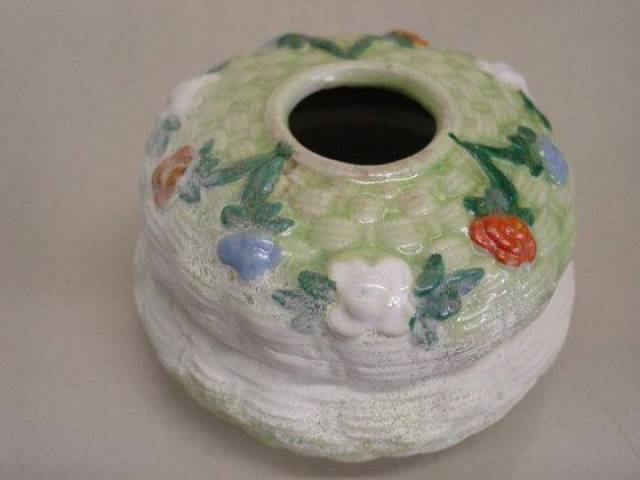
Before the last century, women dropped their cut hair into a little pot like this. The collected hair was later used to stuff pillows or pincushions.
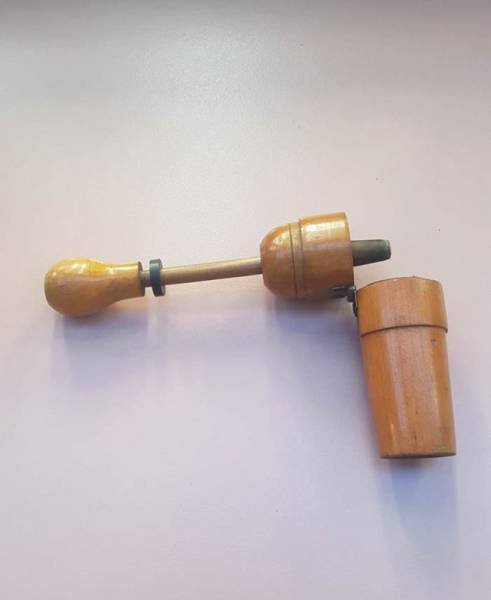
It’s used to push corks into bottles.
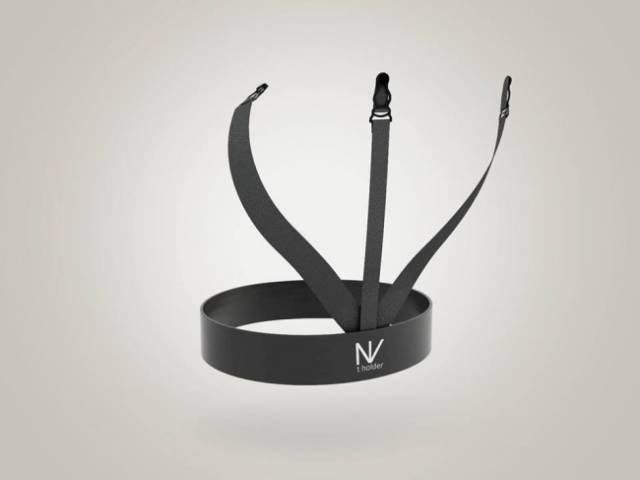
A Slovenian company designed these shirt stays for men. A main strap sits around the hip while the other pieces clip to the bottom of the shirt, keeping it perfectly tucked.
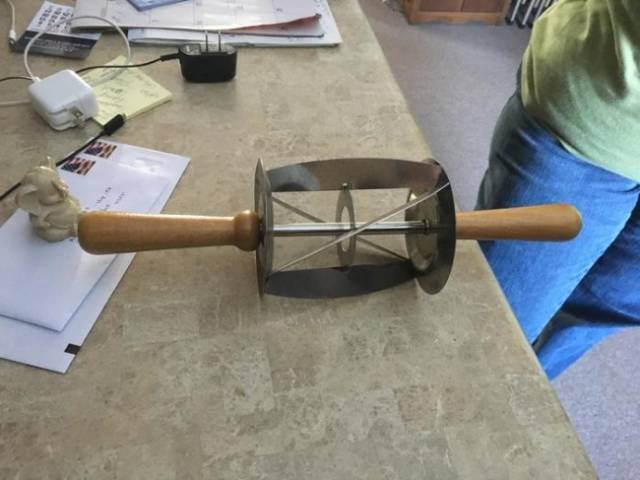
Any baker will recognize it — it’s the knife used to cut dough for croissants.
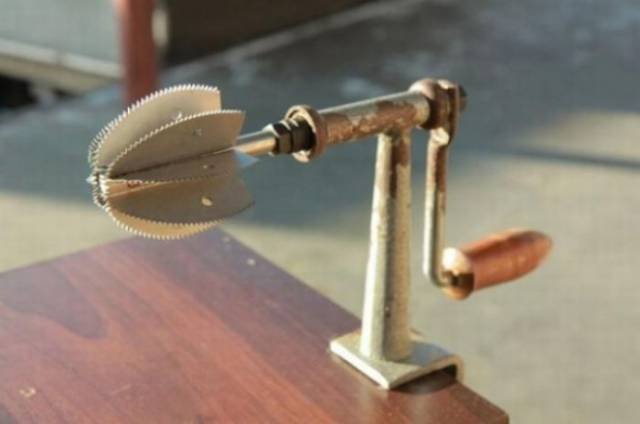
It’s made to easily scoop the pulp out of a coconut.
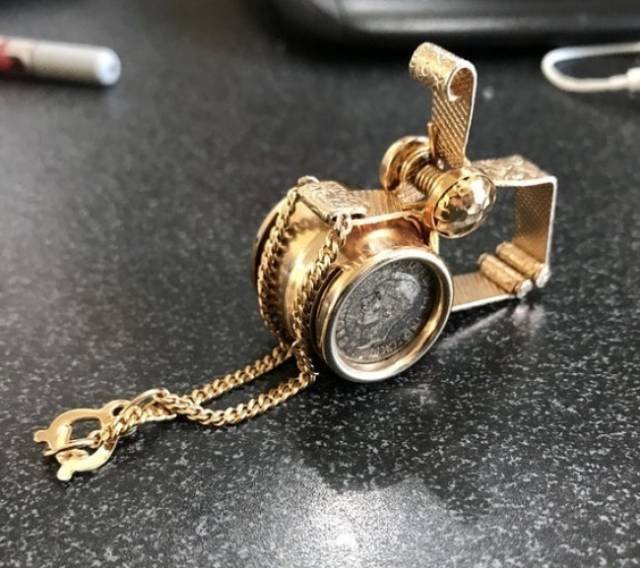
In the early 20th century, when a gentleman wasn’t wearing his gloves, he clipped them to this holder attached to his clothing.
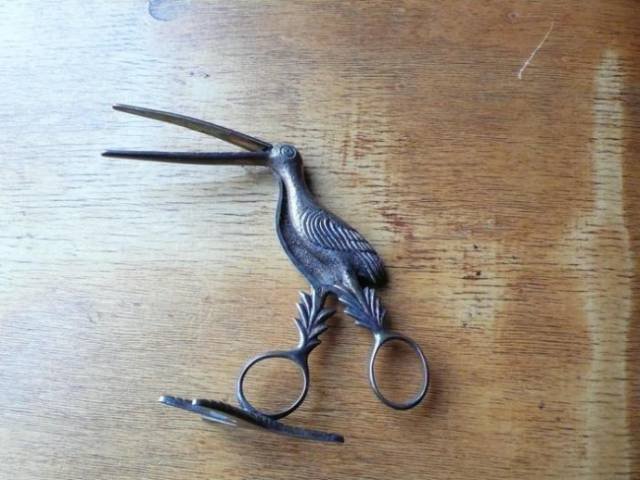
It’s a medical clamp from the mid-19th century, used by obstetricians to tie off the umbilical cord.
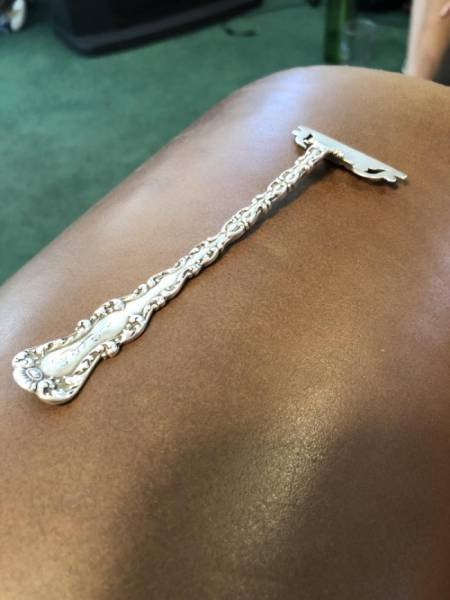
It’s a knife-pusher, given to kids learning to use cutlery. They use it to push food onto their spoon or fork.
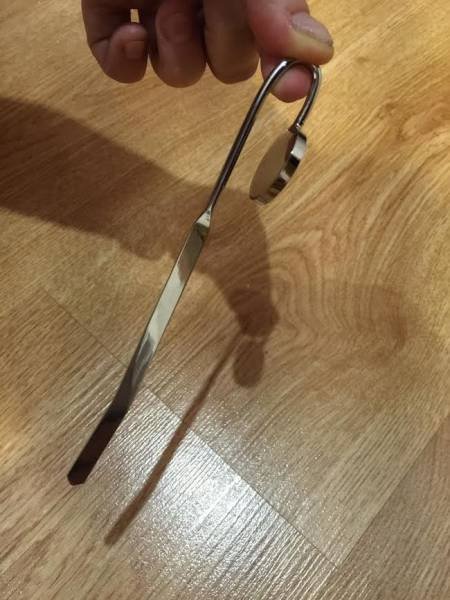
It’s actually a bookmark — and one worth not losing.
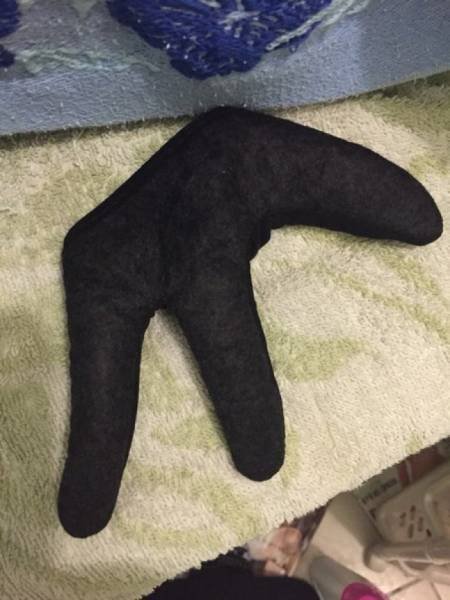
It’s a protective glove that came packaged with hair straighteners.
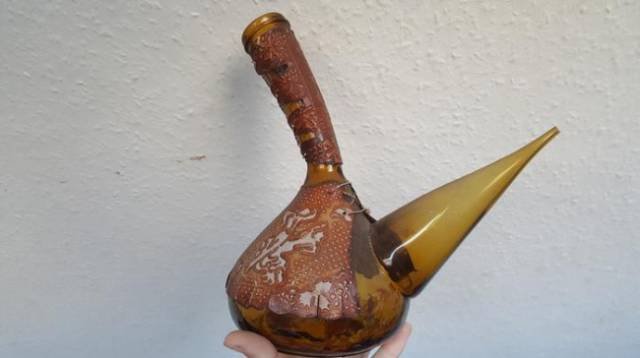
It’s a traditional Spanish wine vessel. You hold it by the top and aim the spout so the wine streams straight into your mouth — and your lips are never supposed to touch it.
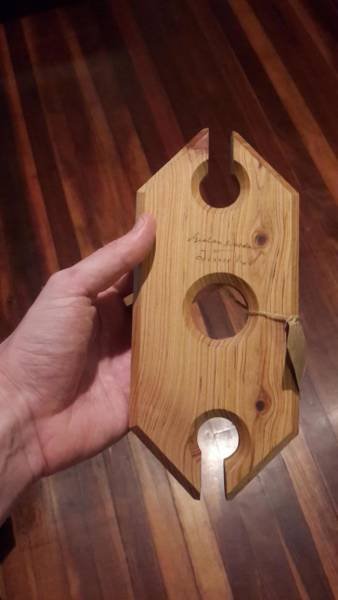
It’s a coaster that sits on top of a wine bottle. The center hole fits over the bottleneck, and the carved slots around the edge hold the glasses.
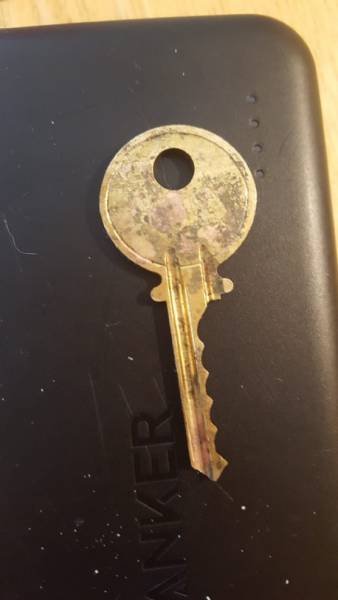
It appears to be a lockpick. If you come across one of these lying around, it might be worth taking a few extra security precautions.
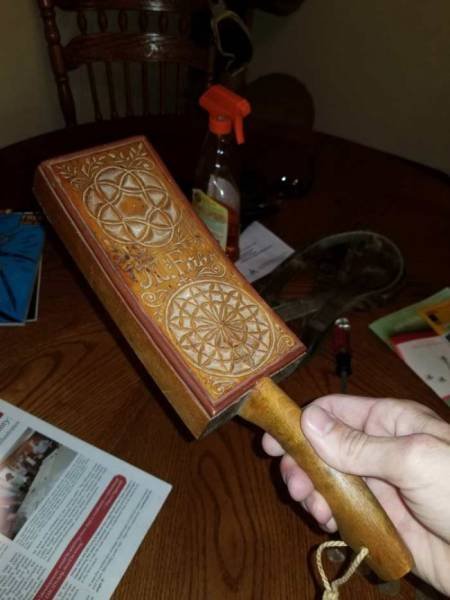
It was used to beat laundry after washing to help work the water out.
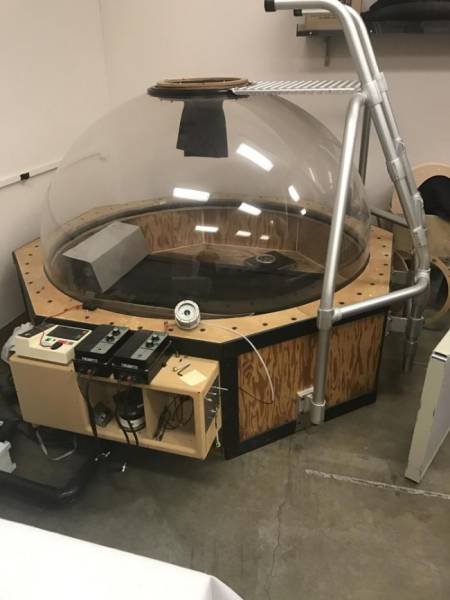
It’s a kind of treadmill built for people recovering from injury, giving them something extra to hold onto while they exercise.
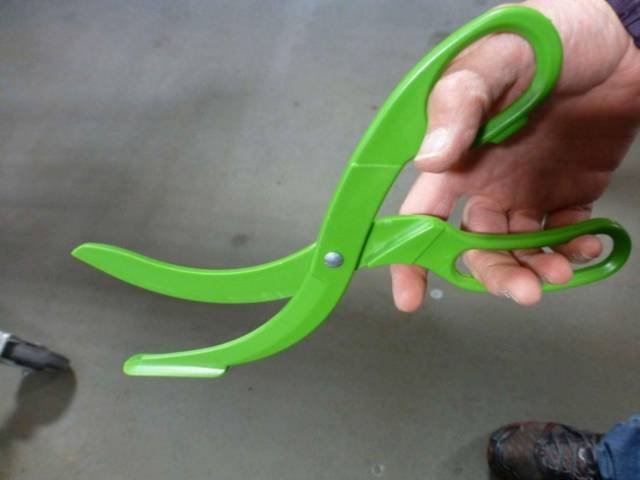
Pizza scissors — the dream gadget for anyone who takes their slices very, very seriously.