 Barnorama Welcome To The Fun Barn
The Group Chat Effect
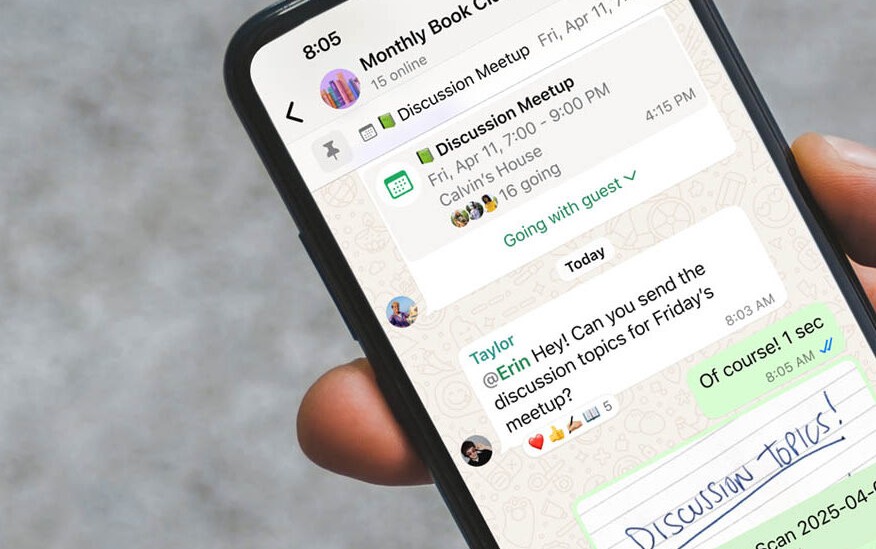
A new platform rarely announces itself with a billboard anymore. For most people between eighteen and thirty, discovery starts somewhere far more mundane: a shared screenshot, a voice note, a meme sent at 11 p.m. that somehow includes a login screen or a promo banner in the background. The group chat has quietly become the primary distribution channel for digital products, and online casino and sports betting platforms are no exception.
What makes this pattern different from older forms of word of mouth is speed and repetition. A friend doesn’t just mention something once; they reference it three or four times across different conversations, in different formats – a story reply, a forwarded clip, a quick comment during a live match. By the time someone actually opens a browser to look something up, they’ve already absorbed a small amount of social proof without realizing it. That’s often how someone ends up typing an address directly into their phone, arriving at a destination such as https://www.dubibet2000.com/en/ not because of an advertisement, but because a name kept resurfacing in casual exchanges among people they already trust.
This matters for how platforms are found, not just how they’re marketed. The discovery moment has moved from search engine results pages to private messaging threads, and that shift changes what “visibility” even means for a digital product in 2026.
From Screen Time to Word of Mouth
Young adults don’t consume media in isolated sessions anymore; they consume it in layers. A football match plays on one screen while a group chat runs commentary in real time. Someone posts odds, someone else reacts with a laughing emoji, and within minutes the conversation has shifted from the game itself to who’s checking what on their phone. This layering effect means that betting and casino platforms surface organically, embedded inside entertainment rather than presented as separate from it.
A few behavioral patterns show up repeatedly in this age group:
- Screenshots of odds or winnings shared as a joke, which double as informal advertising.
- Voice messages during live events that casually mention checking a platform mid-conversation.
- Group polls or predictions before major matches, often referencing a specific site by name.
- Short-form video clips reused across chats, stripped of context but still carrying a brand name.
None of these are deliberate marketing moves by the platforms themselves. They’re side effects of how this generation already communicates – constantly, informally, and in short bursts that blend entertainment with commentary.
Why Trust Travels Faster Than Ads
Traditional advertising still exists, but its persuasive weight has changed. A polished ad can generate awareness, yet awareness alone rarely converts into action for this demographic. What tends to close that gap is a recommendation from someone within an existing social circle – not an influencer with a million followers, but a cousin, a coworker, or a regular in a shared Discord server.
This creates a layered trust hierarchy:
- Immediate circle – close friends or family whose opinions carry the most weight.
- Extended network – acquaintances or online communities built around a shared interest, like fantasy leagues or gaming forums.
- Public content – creators or public accounts that reinforce what’s already been mentioned privately.
By the time a platform reaches the third layer, it has usually already passed through the first two. That sequencing explains why a single well-placed conversation among friends can outperform a much larger media buy. The platform isn’t being sold; it’s being confirmed as something other people already use without issue.
The Weekend Ritual Behind the Discovery
Timing plays a bigger role than most outside observers assume. Weekends, particularly Friday evenings through Sunday afternoon, function as the natural window for this kind of informal discovery. Sports fixtures cluster during this period, group chats become more active, and people have more unstructured time to explore something a friend mentioned days earlier.
A typical sequence might look like this:
- Thursday: a friend mentions a platform in passing while discussing weekend fixtures.
- Friday: someone shares a screenshot of odds or a promotional detail in the same chat.
- Saturday: another member of the group references checking it out, half as a joke.
- Sunday: a quieter, individual moment of curiosity leads to an actual visit or download.
This staggered rhythm means the “discovery” isn’t a single event but a slow accumulation of small signals across several days. Marketers who try to compress this into a single campaign message often misunderstand how organically it actually unfolds among peer groups.
Regional differences also shape this rhythm. In cities with strong café or shisha lounge culture, for instance, group discovery often happens face-to-face before it moves online, with someone pulling out a phone to show a friend directly rather than sending a link. In more remote or commuter-heavy areas, the same process happens almost entirely through messaging apps, since physical gathering is less frequent.
What ties all of this together is not a single tactic but a behavioral pattern: young adults today rarely discover digital platforms in isolation. They discover them collectively, through overlapping conversations, shared humor, and casual references that accumulate until a name feels familiar enough to act on. For platforms operating in the casino and sports betting space, this means visibility is no longer just about being seen – it’s about being mentioned, screenshotted, and passed along inside the ordinary rhythm of everyday social life.