 Barnorama Welcome To The Fun Barn
At first glance, these objects seem to make no sense at all — strange shapes, baffling purposes, and a few that look downright puzzling. But every one has a perfectly good explanation. Scroll through, take your best guess, then find out what each one really is.
“Mixer? Back massager? Mounted on a cabin wall in Hood River, OR. Two handles spin the seven arms, and the wooden balls spin freely.”
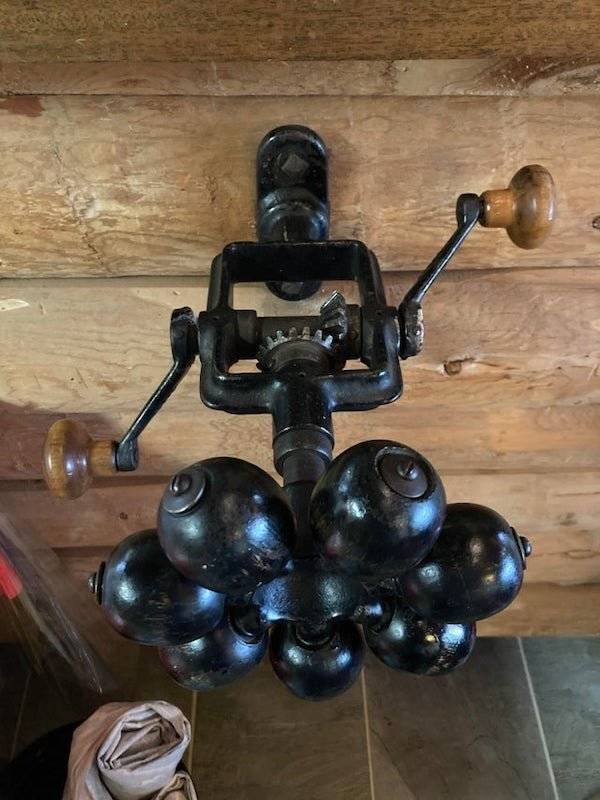
It’s a rope winder. Each head holds a length of twine, and spinning them twists the strands together into rope.
“Found under my couch. The container opens, has four holes on the bottom, and shakes out a green powder that smells like menthol or cleaner. About 1 inch by half an inch.”
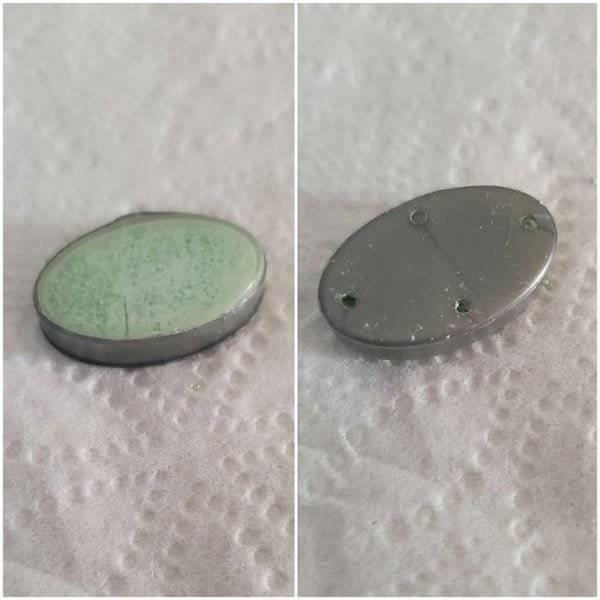
It’s most likely a disc from a toothbrush holder or sanitizer, the kind that keeps a brush head clean.
“Listed in an online estate auction as a ‘toaster’??”
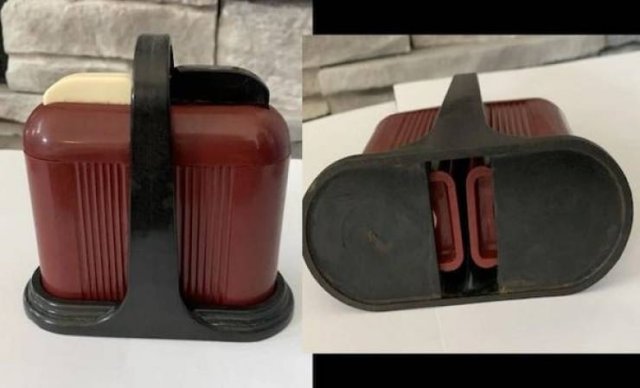
It’s actually a salt and pepper shaker set, shaped like a little toaster.
“Found at a thrift shop, marked as an unknown tool. About 7 inches long.”
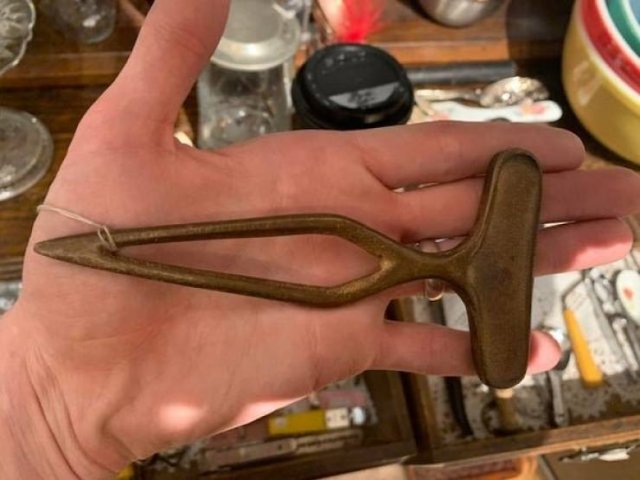
It’s a splicing fid — a tool used to weave and separate rope strands when making splices.
“A wooden chute covered with beams, near Durango, Colorado.”
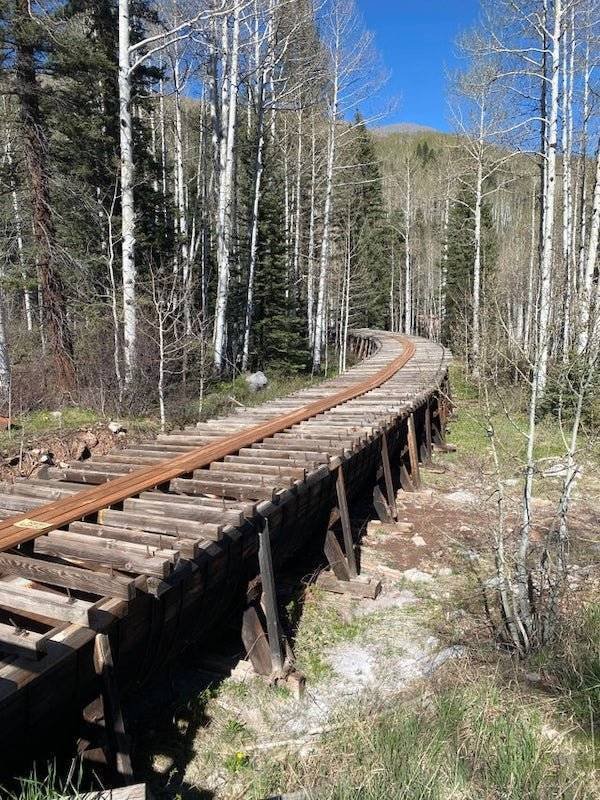
It’s a timber-supported channel that carries water from Cascade Creek about 15 miles downstream into Electra Lake.
“Weird blue goo that appeared overnight. I’ve googled it and can’t figure it out — maybe eggs?”
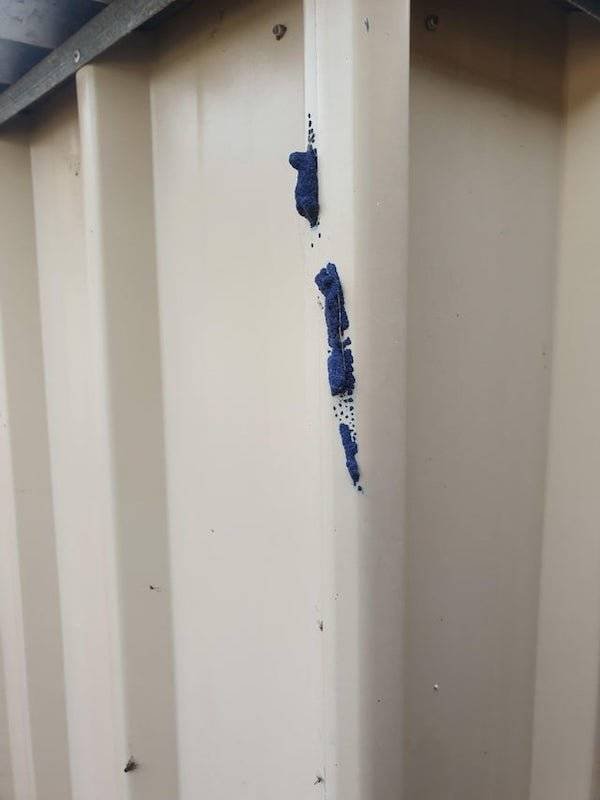
Most likely bird droppings. Birds that feed on blue-toned berries — like those from a lillipilli tree — often leave behind strange purple-blue messes.
“Found stuck to the back of my husband’s rearview mirror, placed diagonally and, as he put it, ‘not professionally.'”
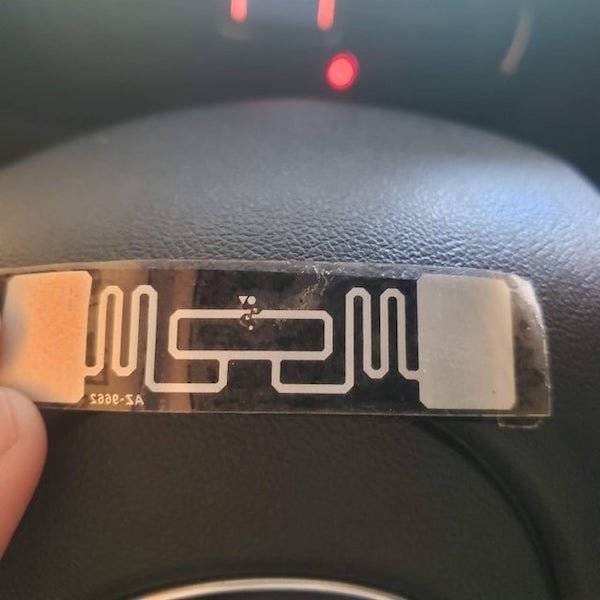
It’s a long-range RFID tag — the kind used for things like toll payment, garage access, or asset tracking. Nothing sinister about it.
“Found this dripping some weird liquid. Any idea what it is?”
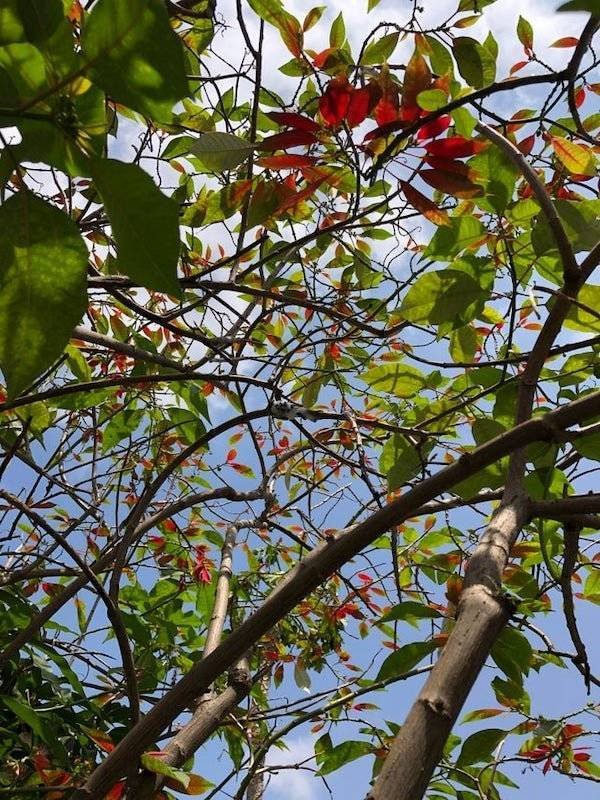
It’s the work of spittlebugs — insects that produce that foamy, frothy liquid to protect themselves while feeding on plants.
“Rotating drums that the river passes through.”
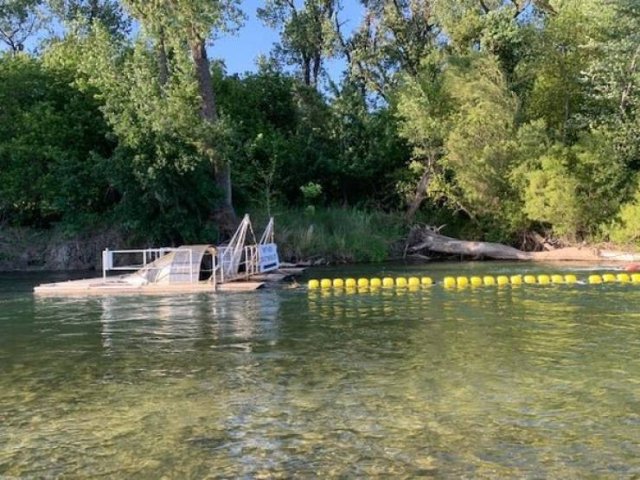
In the Pacific Northwest, similar rotating drums are used to count fish — often young salmon making their way out to the ocean.
“A circular metal object about 5 cm wide, silver, non-magnetic, weighing 70 grams. No writing. Found in Ontario, Canada.”
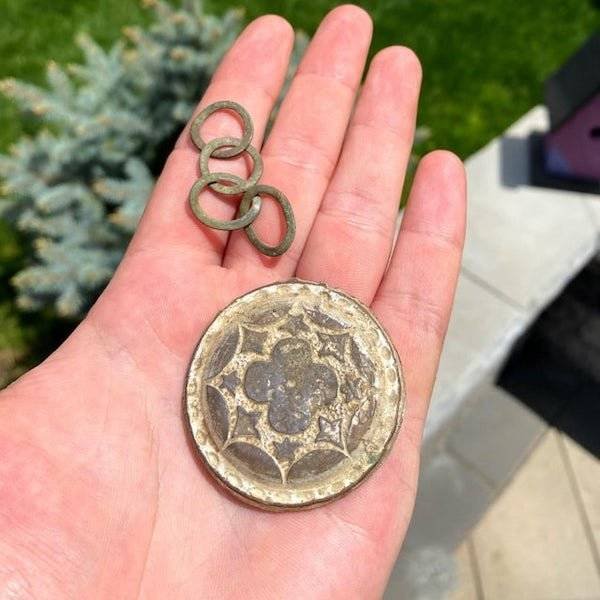
It looks like a four-leaf clover “cape fastener,” which usually has chains attached — probably from a large coat, judging by the size.
“A ceramic crab with a hole in the top, sitting in an attached dish with a straw. No markings, probably pre-1970s.”
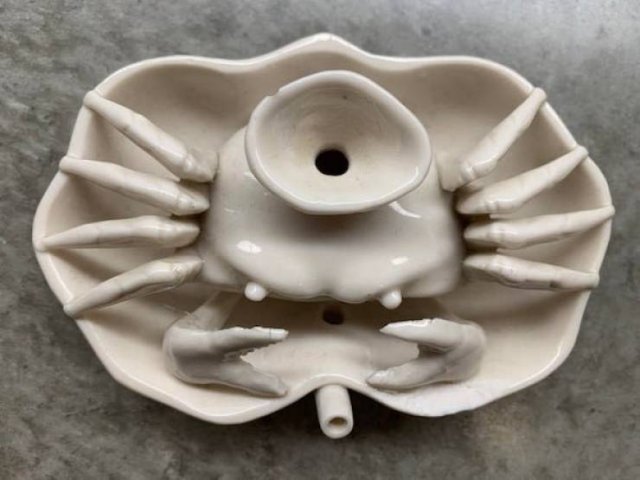
It’s a porcelain crab water dropper, traditionally used to add small amounts of water when grinding ink for calligraphy.
“What is this ceramic tube? Found in a drawer of random antique bits. I think they were white once, discolored with age, and the holes go all the way through.”
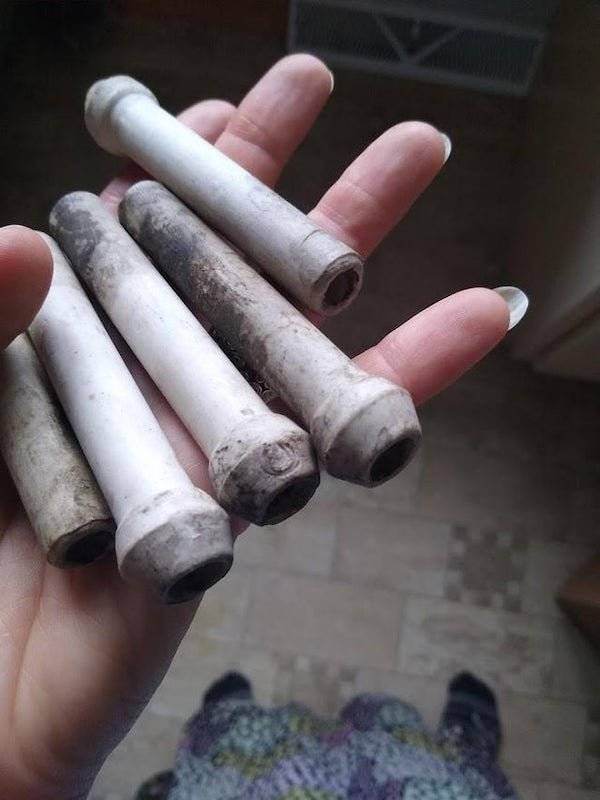
These are the ceramic tubes from old knob-and-tube wiring, an early method of running electrical wires through buildings.
“Found these holes on a hike in the middle of nowhere. What are they from?”
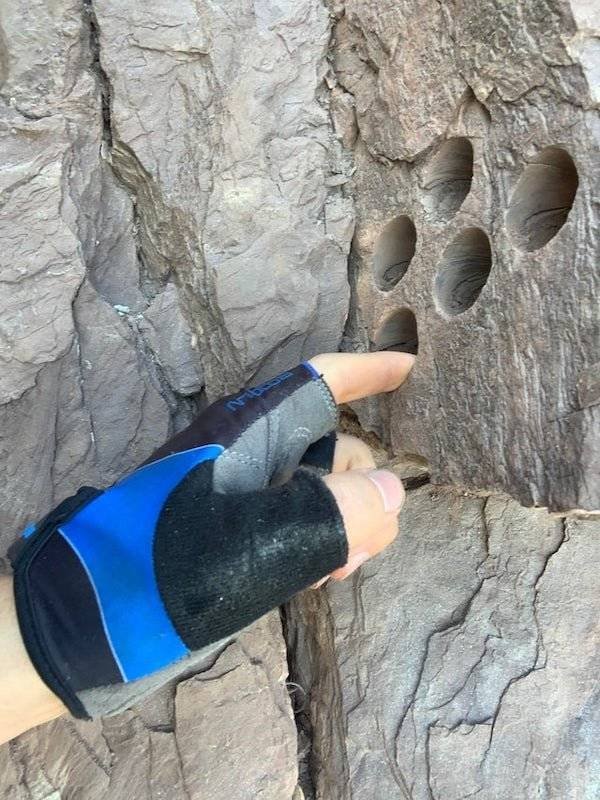
They’re likely core samples taken for geology studies.
“Handle-like objects made of glass or epoxy. Looks like they fit onto a rod. Found in my grandparents’ cabinet, where they’ve been for ages.”
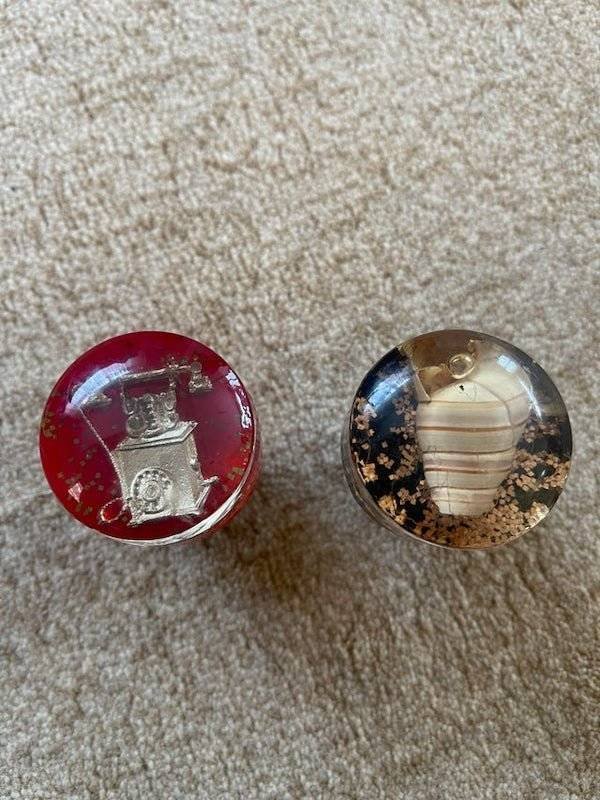
They’re just drawer pulls, likely from a vanity or an old piece of furniture.
“Found this in my pocket. Probably nothing, but I have no idea how it got there.”
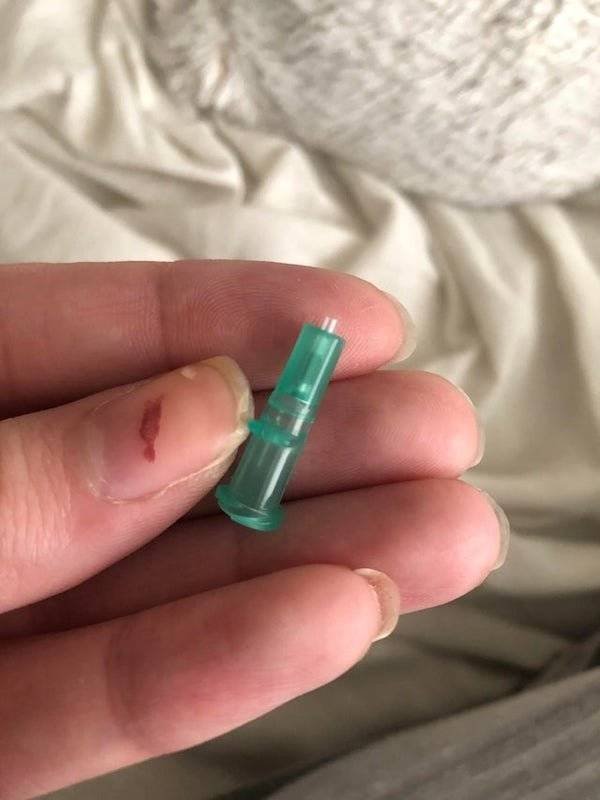
It has a Luer lock fitting, the type found on medical items like IV lines and syringes. The same connector also shows up in things like printer-ink refilling.
“Found this while cleaning out an apartment. It’s quite heavy and not sharp.”
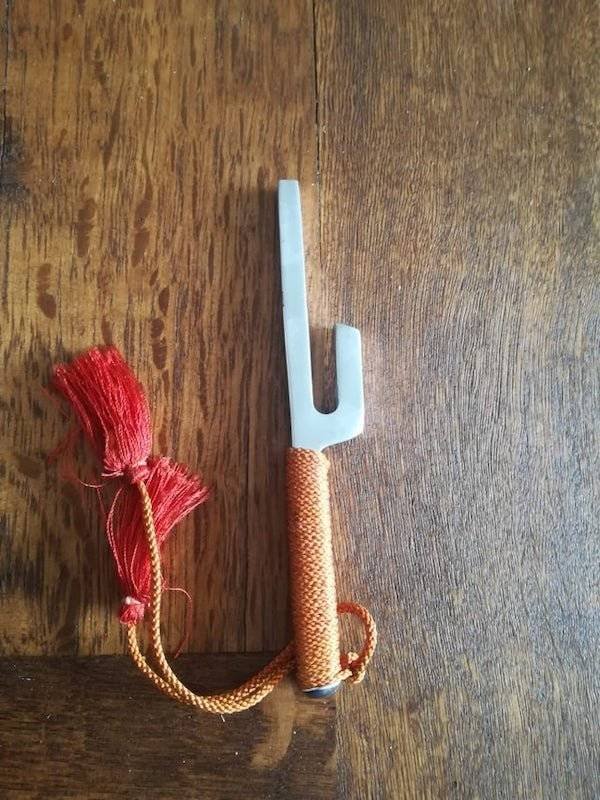
It’s an ornamental or ceremonial “sword breaker” — a decorative martial-arts style piece rather than a functional weapon.
“A random TV channel we found?”
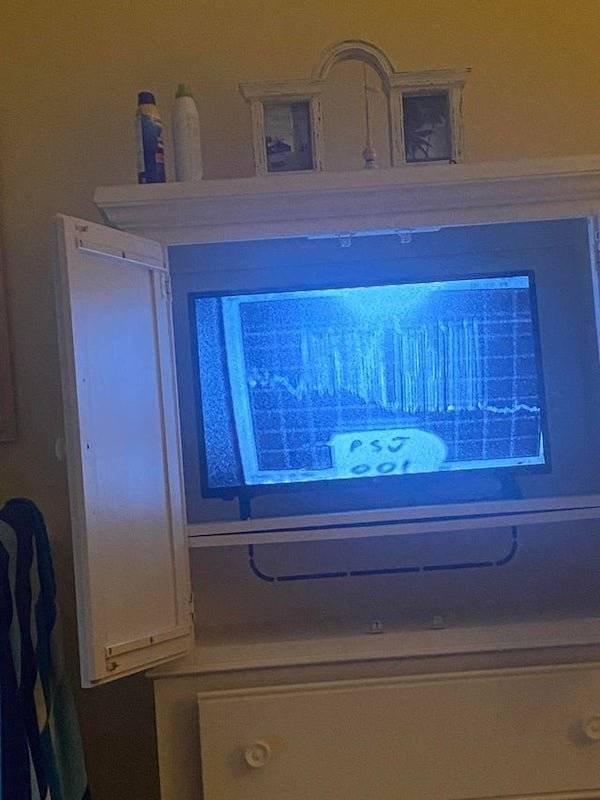
It’s a signal monitor, likely set up by a technician troubleshooting cable issues. Tuning to that channel lets them check the signal quality at different homes along the line.
“What’s the difference between the two buttons on the last two rows? Both open and close the elevator door the same way. New Mexico, USA.”
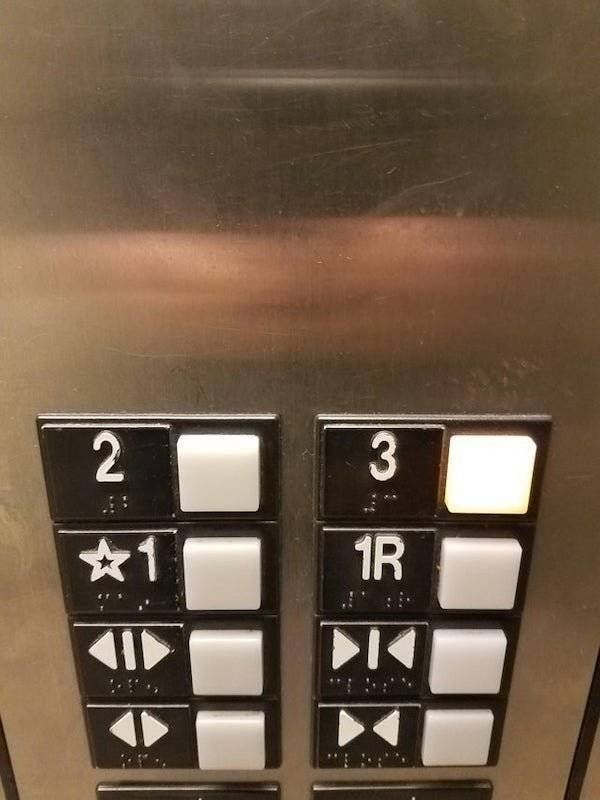
One controls the front door and the other the rear. The first floor has two doors, which is why you’ll see both “1” and “1R” on the panel.
“Two chrome balls that move up and down. Seen in Berlin, Germany, on the Ministry of Economy and Energy building.”
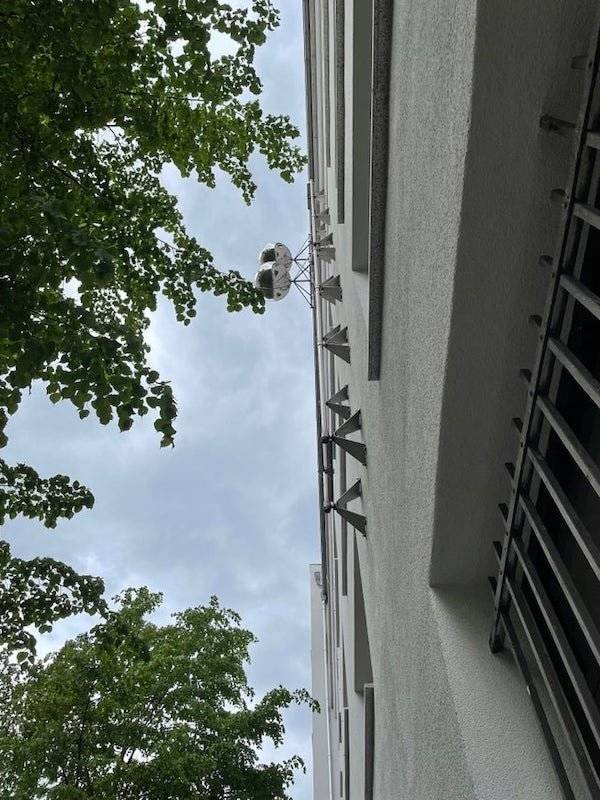
They’re likely part of a clock — a sculptural design where the moving balls track the time, similar to versions found in other cities.
“What is this foldy metal thing attached to the side of my back porch?”
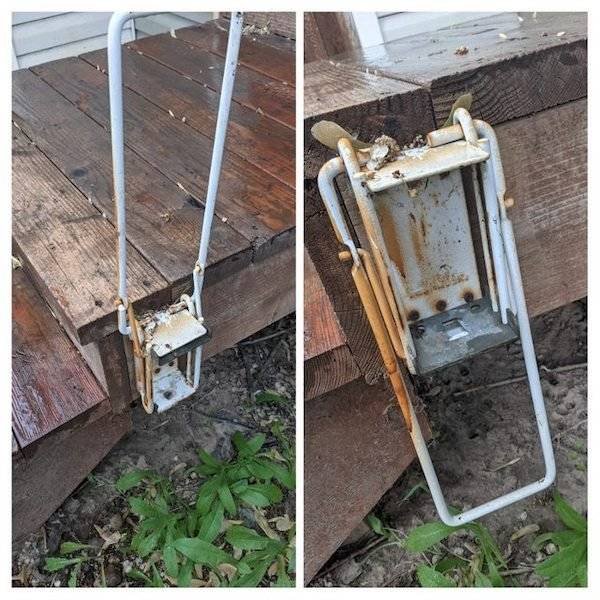
It’s most likely a can crusher — pull the lever and the metal panel presses down to flatten cans.
“Every house on this road has a chain-like series of cups under the corners of their gutters. I’m guessing it’s for rainwater — but what is it and how does it work?”
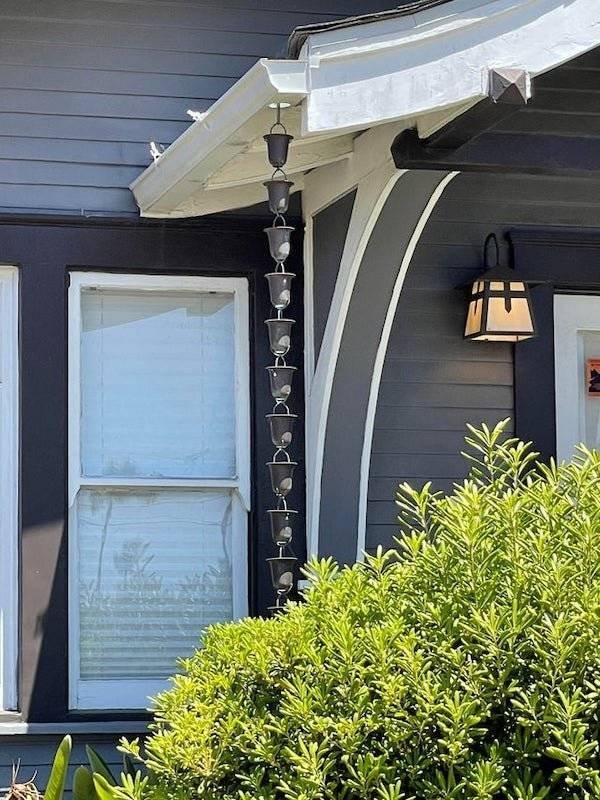
It’s a rain chain — a decorative alternative to a downspout that guides rainwater down the chain and into the ground or a basin.
“What was this metal box used for? (matchbox included for scale.)”
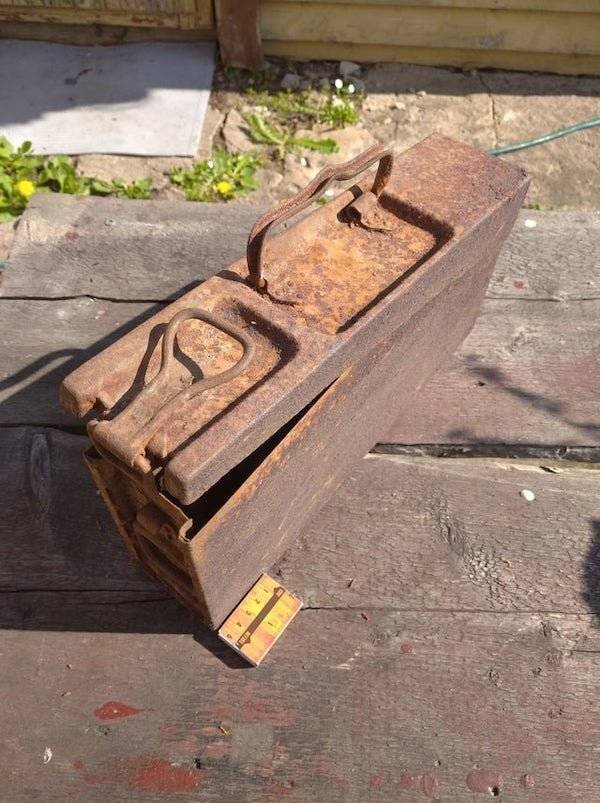
It’s an old German ammunition box.
“Two of these buildings on a lot where new housing is about to be built.”
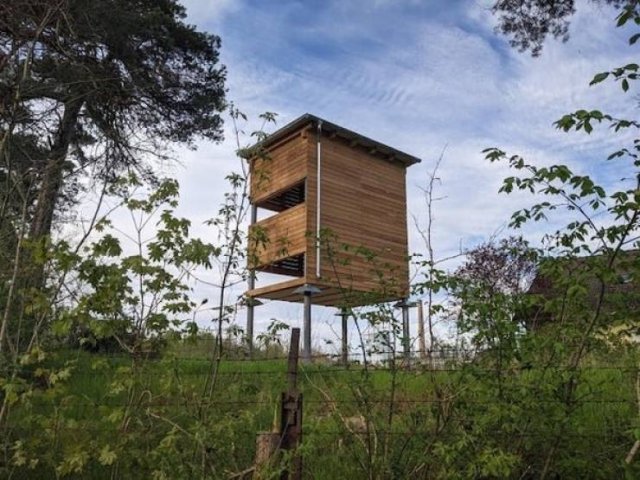
They’re bat houses, built to give bats a place to roost.