 Barnorama Welcome To The Fun Barn
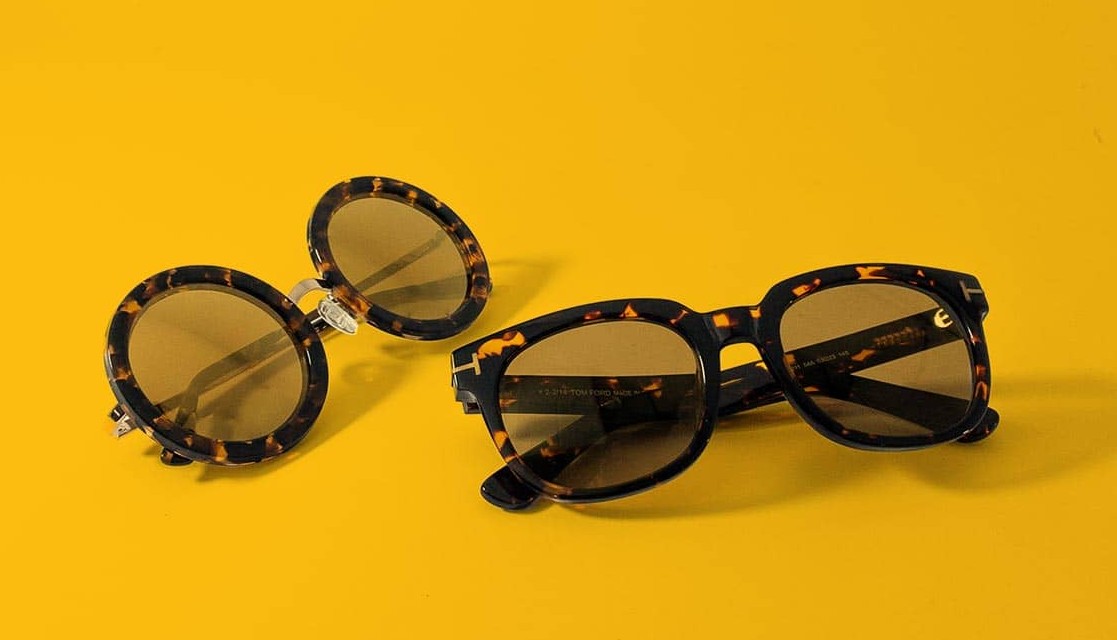
I own more sunglasses than I’d like to admit. There’s a beat-up pair in the car, a “nice” pair I’m scared to sit on, and a cheap beach-kiosk pair that somehow outlasted both. They all do the same job, yet each one says something different about the person wearing it.
That’s the double life of sunglasses. They protect your eyes from glare and UV light, and they’re also one of the fastest ways to change how you look. Eyewear started as a survival tool, became a movie-star signature, and is now picking up speakers, cameras, and wireless connections. Here’s how we got from carved bone to frames that can take a phone call.
The Early Days of Sunglasses
The first sunglasses didn’t have lenses at all. Arctic peoples, including the Inuit, carved goggles from bone, ivory, or antler and cut thin slits to see through. Those openings let in just enough light to hunt and travel. They also blocked the glare off snow and ice that caused painful snow blindness.
Tinted lenses came much later. In medieval China, panes of smoky quartz were used to cut glare, and they’re often said to have helped judges keep their expressions unreadable in court. Sunglasses were hiding emotions long before anyone wore them the morning after a party.
For centuries, tinted glasses stayed a medical or specialist item. They weren’t something an ordinary person grabbed on the way to the beach. That changed in 1929, when Sam Foster began selling inexpensive sunglasses from a Woolworth store on the Atlantic City boardwalk. Suddenly, shades were cheap, easy to buy, and fun.
Polarized lenses followed in the 1930s, and military pilots needed eyewear that could handle high-altitude glare. That need gave us the aviator shape. Once pilots made them look heroic, everyone wanted a pair.
How Sunglasses Became a Fashion Statement
Once sunglasses were everywhere, people started using them to say something. A few shapes did most of the talking.
- Aviators carried military swagger into civilian life. They’ve had several revivals since and still read as confident without trying too hard.
- Cat-eye frames defined much of 1950s glamour. The upswept corners felt playful and a little dangerous, and they remain the go-to shape for a retro wink.
- Oversized shades took over in the 1960s and 1970s. Big lenses became shorthand for celebrity, partly because they did a great job of hiding famous faces from photographers.
Hollywood and music did the heavy lifting. Audrey Hepburn made big dark frames look elegant, rock stars made round lenses look rebellious, and designers began treating eyewear as a core part of their collections rather than an afterthought.
Old styles keep coming back, too. Scroll through these 27 memories from when the weekend lasted forever and you’ll spot frames that would look right at home in a shop window today.
That’s good news for shoppers, because there’s no single “correct” pair anymore. Whether someone prefers timeless frames or contemporary designs, finding a great selection of glasses makes it easier to explore different styles and find a pair that suits their personal taste. Trying a few shapes is the only way to learn whether you’re an aviator person, a cat-eye person, or someone who needs both.
The Role of Technology in Modern Eyewear
Long before anyone put a chip in a frame, technology was quietly changing sunglasses from the inside. Lenses moved from heavy glass to lighter, impact-resistant polycarbonate. Polarized lenses cut glare from water and wet roads, and photochromic lenses darken in sunlight and clear up indoors. Frames gained flexible hinges, lightweight titanium, and plant-based acetates.
The most important upgrade is the one you can’t see: UV protection. The American Academy of Ophthalmology’s guide on choosing the best sunglasses recommends looking for a label promising 100% UV blocking. It also notes that darker or pricier lenses don’t necessarily protect better. I check that sticker every time now, even on fun pairs.
Then came smart eyewear. Early attempts were clunky and drew plenty of stares, but recent models look close to regular sunglasses. Depending on the pair, they can include:
- Open-ear speakers in the arms for music or directions without earbuds.
- Small cameras for hands-free photos and short videos.
- Microphones and Bluetooth for calls, voice commands, and syncing with a phone.
The first time I took a call through audio frames while walking, the strangest part was how normal it felt. Nobody nearby could tell I wasn’t just wearing sunglasses.
When Classic Design Meets Smart Features
The smartest move eyewear makers have made is hiding the tech inside shapes people already love, like wayfarer-style squares, rounded classics, and sporty wraparounds. Most people won’t wear something that makes them feel like a walking gadget. A familiar design turns the features into a bonus rather than the whole point.
In everyday life, the appeal is keeping your hands free:
- Commuting: a podcast or quick call without digging for earbuds.
- Travel: photos of a street market and audio directions without pulling out your phone.
- Social moments: short clips at a barbecue or concert from your own point of view.
Smart frames sit naturally on a travel packing list, next to the chargers and small helpers you’ll find in roundups like these 20 Amazon deals under $20 worth grabbing right now. With one less device in your hand, a busy airport or crowded old town is a bit easier to get through.
There are trade-offs worth weighing. Batteries need charging like any other gadget. Cameras also raise fair privacy questions, which is why most models show a small light while recording. Some people simply prefer a plain pair, and that’s a perfectly good choice too.
What Could Sunglasses Look Like in the Future?
Nobody knows exactly, but the direction is easy to spot: frames that do more while looking like less. Likely developments include:
- A built-in display to show directions, translations, or messages only the wearer can see.
- Smarter lenses that dim on demand, or react faster to changes in light.
- Lighter hardware, with smaller batteries and chips that remove the chunky look.
- Health features, such as sensors that track sun exposure or time spent outdoors.
- Easier prescriptions, so smart frames work as well for people who need corrective lenses.
The best tech won’t matter if the frames feel bulky, pinch behind the ears, or scream “gadget” in every photo. Comfort and style will decide which ideas stick, just as they did with aviators and cat-eyes. As these 50 pics of cool stuff worth stopping your whole morning for show, the most memorable designs often look simple on the surface.
Conclusion
Sunglasses have traveled a long way. They began as carved goggles against snow blindness, became a cheap boardwalk hit, turned into Hollywood’s favorite disguise, and now carry speakers and cameras in frames that still look like classics.
Through all those changes, the core job hasn’t moved: protect your eyes and help you feel like yourself. The tech will keep improving, but the pairs that last will be the ones that fit real routines and real faces. Personal style and everyday needs have shaped eyewear for centuries, and they’ll keep deciding what we put on before we step into the sun.