 Barnorama Welcome To The Fun Barn
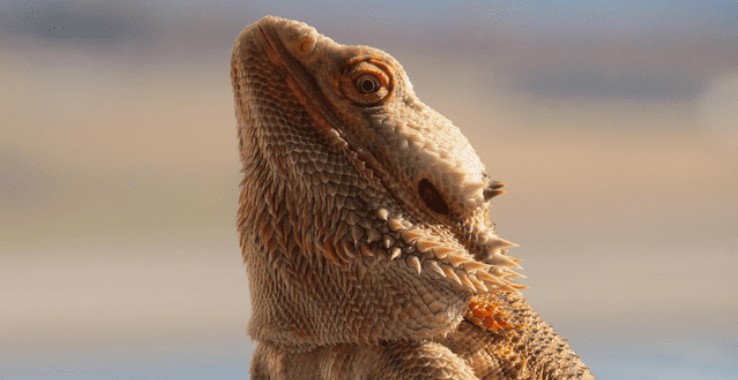
Pet lovers would swear that the bearded dragon is the most beginner-friendly reptile to keep. This Australian native lizard is an ideal option if you need something easy to care for. You never have to worry about noises, fur, or a feeding routine.
Besides, they easily adapt to human interaction, making them more friendly and easier to handle. First-time buyers who want to keep the Pogona vitticeps should ensure they have all the details right for a smooth and efficient connection in the US.
What must you do before buying your reptile? Does it thrive well in a specific climate or environmental condition? What about its natural behaviors?
The answers to these questions will help you plan well for your new home companion. This post will help you definitively determine your preparedness in acquiring a bearded dragon as a pet. Read on to discover the facts, requirements, and considerations to establish as you scout for your next pet lizard.
1. They Have a Moderately Long Lifespan
Have you been disappointed by the short-lived pets you had, some living barely a couple of years?
That is a disheartening fact: that you cannot prolong your companion animal’s days. As a first-timer bearded dragon owner, you are about to experience a new kind of bond that lasts up to a decade plus. These lizards have a lifespan of up to 15 years.
This fact means that you are getting into a long-term commitment. So, as you search for bearded dragons for sale near me, ensure you are prepared for this. And that is not just about ticking the box and shouting, “Ready!”
It entails more of your time, budget, and planning. You must set your future ambitions to align with your new chosen lifestyle.
2. They Require Live Food
This consideration must be the most challenging. But it is critical to understand before the leap. Are you afraid of bugs or lack the time to hunt crickets for your lizard?
Then you might be looking for a different pet altogether. But for bearded dragons? Live food is their favorite–no, their delicacy, especially at their young age. The grown-ups can do well with other food types, though.
Wait. Before you get scared, you do not need to provide 100% animal food to your bearded dragon, even in their juvenile age. The point is to make you realize how important protein is in their diet.
You can feed your lizard live roaches, crickets, or hornworms, among many others. The reason for establishing the “live food” fact is that the moving insects improve the feeding habits in young bearded dragons. The aged can eat dead food quite well.
Remember to pack veggies for your lizard as well. However, your choices must be strategic, as some food types may not be ideal for them. Avocado is one of the foods you must never feed these pets.
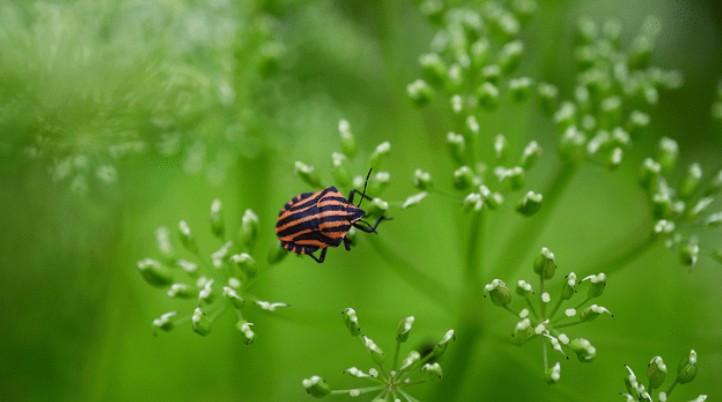
Other food items to throw away include lettuce, mushrooms, garlic, and tomatoes. Ladybugs, fireflies, and spiders are live animals you do not want to come across your pet. These are poisonous to these lizards.
3. They Are Cold-Blooded
As you may already know, being reptiles, bearded dragons are cold-blooded. This means they manage their body temperature by adjusting themselves to match the desired external heat source.
For example, during cold weather, they use hot places to warm themselves up. Also, when the heat becomes extreme, they move to cooler places to lower their body temperature.
In your setup, you want to ensure the pet does not roast in extreme heat or suffer in cold conditions. Ensure you have a warm area and a cooler one in their enclosure. That adds weight to the fact that these pets require a vast area for their habitat. Therefore, plan adequately before committing.
4. They Require Vet Visits
Most pet owners tend to ignore the fact that their companion animals need medical attention. Animals do not heal naturally, as many people may purport. It is critical to ensure they get adequate treatment and a timely diagnosis.
Remember, the bearded dragon is an exotic animal, and local vets may not have all the information and medication to treat them. You will need to seek a vet specialized in reptile treatment. That means a higher wage. Prepare your pockets well.
5. You May Need Regulation Compliance

The bearded dragon is widely adopted as a captive-bred reptile. The US does not have a federal law banning its rearing. However, you want to establish that your state allows the importation of such species, and what applies in your locality.
While you may not explicitly need written approval to buy such animals, you may need to prove that it is not wild-caught. That requires you to provide the details regarding the transaction, health records from the supplier, and accompanying information to ensure the safety of the habitat and the people living around.
Besides, you want to prove that you can take care of the pet without breaking any animal-protection laws. You may need to contact your state animal welfare office to establish the care standards, housing expectations, and any requirements for keeping the bearded dragon.
Summing Up
The bearded dragon is one of the most adoptable lizards, easy to manage, and more friendly to beginners. However, its acquisition comes with many expectations and responsibilities.
Caring for a reptile is different from rearing domestic animals. Pet lizards face various dangers and need ultimate care. That speaks volumes in terms of time, energy, and financial investments toward achieving your dream.
Ensure you understand what it takes before you get started, and plan adequately.