 Barnorama Welcome To The Fun Barn
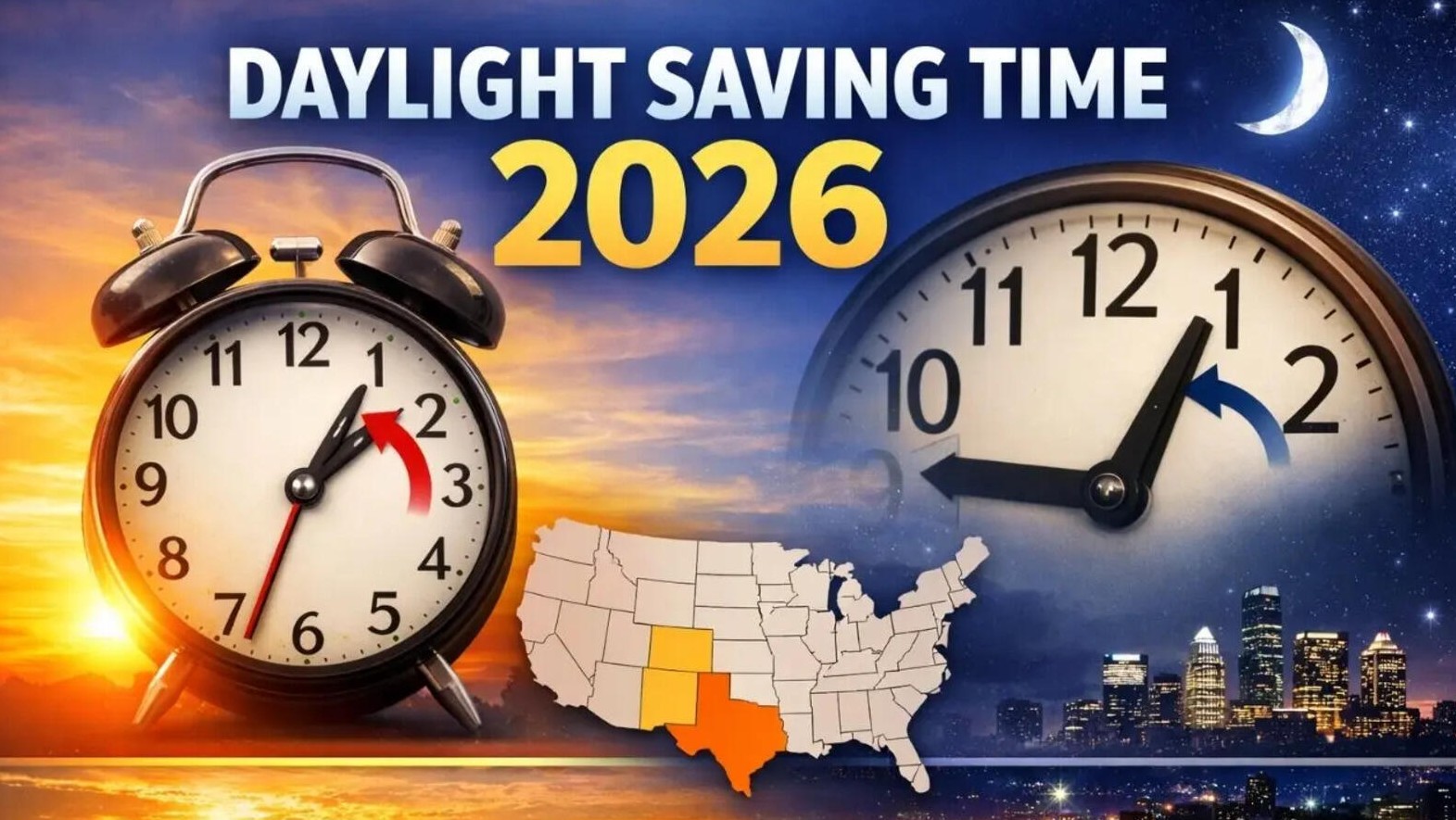
Why daylight saving time suddenly feels like a bigger deal again
Every year, the clock change arrives with the same familiar reaction: a mix of annoyance, adjustment, and quiet curiosity. But when the weekend gets closer, daylight saving time stops feeling like a small calendar detail and starts feeling like a real routine shift. That is exactly why this topic spikes so hard in search.
One hour that changes the mood
The real power of this story is not just about losing sleep. It is about how one hour changes the rhythm of a day. Mornings can feel slower. Evenings can feel brighter. People start thinking about work schedules, school mornings, and that subtle but very real sense that the season is beginning to turn.
Sometimes the smallest change on the clock creates the biggest change in daily rhythm.
That is what makes this topic so reliable. It touches almost everyone at once. It is practical, highly searchable, and easy to revisit because readers are not only looking for the time change itself. They are looking for what it means for their everyday flow.
Why this topic keeps performing
This kind of article works because it sits right at the intersection of habit and usefulness. It is seasonal, immediate, and tied to a real-life adjustment that people feel almost instantly. That makes it one of the cleanest everyday-life search stories you can publish right now.
When a topic affects sleep, schedules, mood, and daily comfort all at once, it becomes far more than a calendar note. It becomes a human story with built-in traffic appeal.