 Barnorama Welcome To The Fun Barn
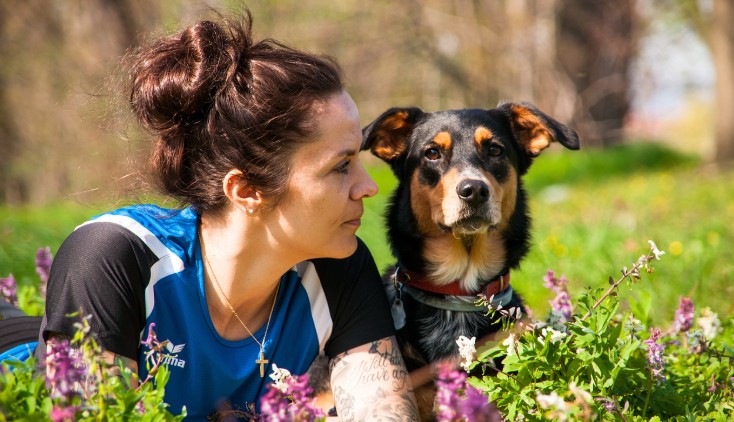
Raising a dog from the puppy stage to adulthood is a journey filled with joy, challenges, and invaluable learning experiences. Each phase of a dog’s growth presents new opportunities for training and bonding. From those playful and curious puppy days to the calm and mature adult phase, understanding the needs and characteristics of your dog at each stage is crucial. The right approach can ensure a well-adjusted, happy pet and a rewarding relationship for both of you.
Understanding Your Puppy’s Development Stages
Puppies undergo several developmental stages that significantly shape their future behavior and personality. Generally, the most recognized stages include the neonatal stage (birth to two weeks), the transitional stage (two to four weeks), the socialization stage (four to twelve weeks), and the juvenile stage (twelve weeks to six months).
During each of these periods, puppies are highly susceptible to environmental influences. Early social experiences with humans, other animals, and diverse environments will foster well-rounded adults. The initial phase, particularly crucial for socialization, significantly impacts how a dog interacts with the world.
A Key to a Well-Adjusted Dog
Socialization is arguably one of the most important aspects of raising a puppy. Introducing your puppy to various experiences, people, and other animals helps to build its confidence and reduce fear or aggression later in life. Aim to expose your puppy to diverse environments, sounds, and sights at a young age, ideally between the ages of three and fourteen weeks.
During this period, the puppy’s brain is like a sponge, ready to absorb new information. For successful socialization, consider enrolling in puppy classes or finding a reputable trainer where your puppy can participate in group play. Establishing a routine for social activities will ensure that your puppy is continually exposed to new experiences.
The Importance of Consistent Training
Training your dog is a fundamental part of responsible pet ownership and lays the foundation for a well-behaved companion. Establishing a consistent routine helps shape positive behavior patterns from an early age, making everyday interactions smoother and more enjoyable.
Using positive reinforcement methods, like praise, play, or treats, encourages your dog to respond willingly and strengthens the bond you share. Enrolling in a reputable dog training program can further enhance these efforts by exposing your pet to structured lessons and real-life scenarios that reinforce obedience and social skills. Through patience and consistency, training becomes a rewarding experience that nurtures trust, confidence, and mutual respect between you and your dog.
Fueling Growth and Development
The nutritional needs of a dog evolve as they progress through various growth stages. Puppies require a diet specially formulated to support their rapid growth and energy levels. This includes higher protein and fat content than adult dog food. Consulting your veterinarian regarding the right feeding schedule and portion size for your breed will ensure that your puppy gets the proper nutrition.
Monitoring your dog’s weight and condition regularly is important, as it can provide insights into necessary dietary adjustments. Providing a balanced diet goes a long way in promoting healthy bones, teeth, and development.
Routine Healthcare and Vaccinations
Regular veterinary care is imperative in raising a healthy dog. Puppies have specific healthcare needs, including vaccinations that protect against common diseases like parvovirus and distemper. A proper vaccination schedule, generally completed by six months of age, ensures your puppy’s long-term health.
Regular check-ups are equally important for monitoring growth and catching potential health issues early. It’s advisable to keep a record of your dog’s healthcare needs, including vaccinations, flea and tick preventative measures, and any other medical conditions. This familiarizes you with your dog’s health history, and it can aid veterinarians in providing tailored care.
Keeping Your Dog Fit and Happy
As dogs transition from playful puppies to adult dogs, their exercise needs grow. Puppies generally have bursts of energy followed by periods of rest. Adult dogs require a more structured and consistent exercise routine. Regular physical activity helps to release pent-up energy and prevents behavioral issues.
The amount of exercise will vary with different breeds and individual needs. Mechanics like daily walks and interactive play can be effective. Activities can include fetching, running, and agility training, which serve to both stimulate your dog physically and mentally. A well-exercised dog is often a happy dog, leading to a more harmonious household.
The Transition to Adulthood
As your dog matures, understanding its changing needs is vital for a continued healthy relationship. Adult dogs will often show newfound independence and maturity, and training should shift to accommodate this. While many dogs retain their playful spirit, adult dogs can exhibit calmer behavior.
Continue to engage with your dog through training opportunities, social outings, and interactive activities, which will provide stimulation and maintain a strong bond. Keep an eye out for changes in behavior, as they may signal the need for adjustments in training approaches or care routines. Maintaining an active lifestyle together will aid in ensuring that both you and your dog persist in thriving.
Successfully raising a dog from its puppy stage to adulthood is a fulfilling yet demanding journey that requires patience, dedication, and understanding. By prioritizing socialization, training, nutrition, healthcare, and exercise at every growth stage, you set the foundation for a long, happy, and healthy life together. Each dog is unique, and adapting your approach as they grow will foster a fulfilling and enriching relationship.