 Barnorama Welcome To The Fun Barn
For most of human history, intimacy depended on one thing above all else: understanding another person.
A look. A conversation. A feeling. A shared experience.
But understanding has always been imperfect.
People often struggle to communicate their needs, recognize changing preferences, or explain what makes them feel connected. In relationships, many challenges do not come from a lack of care — they come from a lack of information.
Technology is beginning to change that.
From relationship apps and communication tools to smart wellness devices and AI-powered experiences, technology is creating new ways for people to understand themselves and connect with others.
The future of intimacy is not about replacing human connection.
It is about making connection easier to understand.

From Guessing to Understanding
One of the biggest changes technology brings to modern life is feedback.
In almost every area, people now use information to make better decisions.
Athletes track performance data. People monitor sleep quality. Fitness enthusiasts measure progress through wearable devices.
The reason is simple: information creates awareness.
Intimacy is no different.
For many years, personal preferences and experiences were shaped mostly through assumptions, conversations, and trial and error. Technology introduces another element: personalization.
Modern intimate technology allows users to explore preferences in a more intentional way, giving people more control over their own experiences.
The important change is not the device itself.
The important change is the ability to better understand individual needs.

Technology Is Redefining Communication Between Partners
Many people assume technology creates distance between couples.
Sometimes it does.
Constant notifications, endless scrolling, and digital distractions can make meaningful connection more difficult.
But technology itself is not the problem. How people use it is what matters.
In relationships, technology can also become a bridge.
For couples living in different cities, digital tools can help maintain emotional closeness. For long-term partners, new technologies can encourage conversations about preferences, curiosity, and shared experiences.
Sometimes the hardest conversations are not difficult because people do not care.
They are difficult because people do not know how to start them.
Technology can provide new ways to open those conversations.
The Rise of Personalized Experiences
Modern consumers have become accustomed to personalization.
Streaming platforms recommend entertainment based on individual tastes.
Online stores suggest products based on previous choices.
Fitness applications create customized training plans.
Personalization has become a normal expectation across almost every industry.
Intimacy technology is following the same direction.
Instead of creating products designed around a single standard experience, modern solutions increasingly focus on flexibility, customization, and user control.
This reflects a larger movement in consumer technology:
Products are no longer simply tools.
They are becoming adaptable experiences.
When Engineering Meets Personal Wellness
The evolution of intimacy technology also reflects a broader change in product design.
Consumers today expect more from the products they use every day.
They consider materials, reliability, comfort, design, and long-term usability.
The same expectations are beginning to influence intimate products.
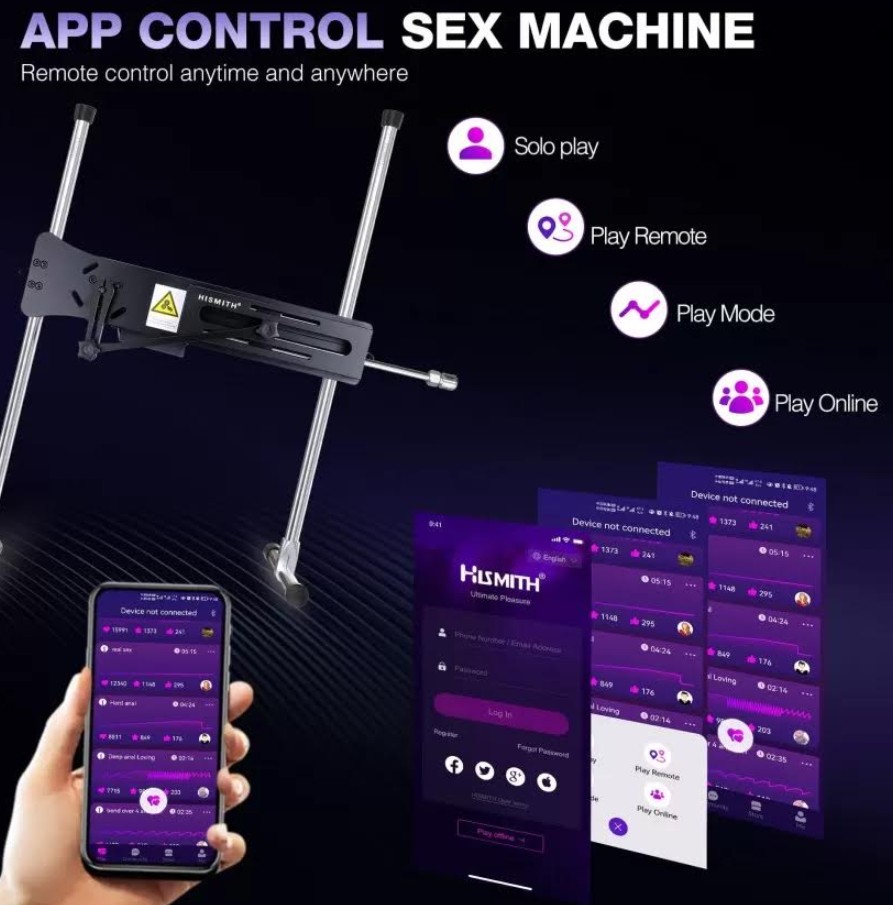
Companies such as Hismith are part of this shift, combining engineering principles, smart controls, and modular designs to create more personalized experiences for users.
The development of engineered pleasure devices reflects a larger trend across technology: people want products that are thoughtfully designed around real human needs.
As the broader personal wellness technology market expands, more brands are investing in research and user-driven design to meet this demand.
The Future: More Intelligent, More Personal
The next stage of intimacy technology will likely be shaped by artificial intelligence and advanced personalization.
Future technologies may become better at understanding individual preferences, adapting experiences, and creating more intuitive interactions.
AI already influences how people listen to music, manage health, and discover information.
The same principles could eventually influence how technology supports personal wellness and relationships.
However, the goal will not be to automate intimacy.
Human connection cannot be replaced by algorithms.
The value of technology lies in removing barriers, improving communication, and helping people better understand themselves and each other.
Technology Will Not Replace Intimacy — It Will Transform It
Every major technological shift changes the way people interact with the world.
The internet changed communication.
Smartphones changed access to information.
Wearable devices changed how people think about health.
Intimacy technology represents another step in that evolution.
Its greatest impact may not come from the devices themselves, but from the conversations they encourage and the understanding they create.
The future of intimacy is not less human because technology is involved.
It may become more human because people have better tools to understand what connection means to them.