 Barnorama Welcome To The Fun Barn
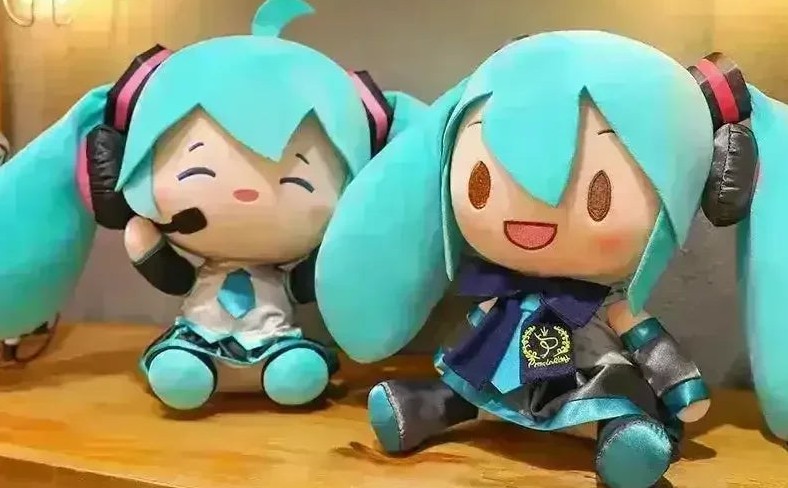
Buying a quality Hatsune Miku plush online rewards careful eyes. Photos can flatter fabric, hide uneven seams, or shrink scale. A reliable choice starts with size, material, stitching, seller history, and stock status. Collectible releases may sell out, return in variants, or reappear through resale listings. With a steady checklist, buyers can protect their budget and choose a plush that arrives clean, accurate, and gift-ready.
Check Source
Official collection pages give buyers a stable reference for release names, dimensions, pricing, and stock labels before comparing outside sellers. The Hatsune Miku plush listing can help confirm 9-inch formats, limited-edition notes, themed versions, and baseline pricing, which makes inflated resale offers or vague product titles easier to judge.
Confirm Size
Size shapes the whole purchase. A 9-inch plush suits desks, shelves, and compact display cases, while larger pieces need more room. Listing photos often exaggerate scale, especially without a hand, ruler, or box nearby. Buyers should trust written measurements first, then picture where the plush will sit. That simple step prevents cramped shelves and disappointing gift presentation.
Review Materials
A well-made plush should feel soft without losing structure. Dense stuffing helps the head, hair, and body keep their shape after shipping. Fabric should look smooth, with no thin patches or shiny wear. Miku’s teal hair, facial embroidery, and costume trim need crisp color separation. If a listing names materials and shows close details, confidence rises.
Study Photos
Clear photos reveal what copywriting cannot. Front, side, back, tag, and close-up images help buyers inspect symmetry and stitching. Blurred shots, harsh filters, or cropped angles deserve caution because flaws can hide in shadows. For resale items, real photos matter more than catalog images. Buyers should check hair pieces, face alignment, loose threads, stains, and fabric flattening.
Compare Pricing
Price should make sense besides size, condition, rarity, and source. A new standard plush around the usual retail range gives buyers a useful reference point. Sold-out editions may cost more, yet sharp markups need a second look. Shipping, tax, and import charges can quickly change the final total. Comparing several active listings keeps emotion from steering the payment decision.
Check Availability
Stock status deserves careful reading. Limited releases can move from available to sold out quickly, yet scarcity language should never rush a purchase. If an item is unavailable through its original listing, resale options may still exist. Those offers need stronger photo proof and clearer seller terms. Patience often leads to cleaner conditions, fairer pricing, or a better variant.
Read Seller Signals
Seller history is a practical risk check. Strong profiles show completed sales, consistent reviews, response patterns, and clear item categories. Vague descriptions or mixed product photos can signal careless handling. Independent shops should provide contact details, return rules, shipping timelines, and secure checkout. A trustworthy seller answers reasonable questions without pressure or evasive wording.
Inspect Authenticity
Authenticity depends on names, tags, colors, and construction. Misspelled character details, odd facial proportions, or generic labels can point to an imitation. Buyers should compare the title with known versions, such as Sakura Miku, Snow Miku, or crossover releases. Tag photos are useful, especially for resale purchases. Any mismatch between images and descriptions deserves caution.
Review Shipping
Packaging can affect condition as much as storage. A plush may arrive flattened, damp, or stained if packed carelessly. Buyers should look for tracking information, delivery estimates, and protective wrapping notes. International shipping may add customs delays, so timing matters for birthdays or holidays. Clear carrier details also help if a package stalls or arrives damaged.
Know Returns
Return terms should be checked before payment, not after disappointment. Buyers need rules for damaged goods, incorrect items, missing tags, and refund windows. Some collectible sales are final, especially resale purchases. Saving screenshots, order confirmations, and seller messages creates a useful paper trail. Those records support claims when the plush arrives in poor condition or does not match the listing.
Conclusion
A high-quality Hatsune Miku plush purchase comes from steady inspection, not guesswork. Buyers should confirm source details, measure space, review photos, compare totals, and read policies before paying. Official listings offer a helpful baseline, while resale items require extra care. With patience and a focused checklist, fans can choose a plush that feels soft, looks accurate, and belongs comfortably in our collection.