 Barnorama Welcome To The Fun Barn
A massive nuclear disaster destroyed this entire city many decades ago. You probably imagine a totally dead and highly toxic wasteland today. However, the exact opposite actually happened after terrified humans finally left. Consequently, incredibly diverse Chernobyl wildlife completely reclaimed the dangerous radioactive ruins.
Therefore, we collected amazing facts about this totally unexpected biological miracle. These fascinating animals thrive perfectly well without any daily human interference. As a result, the scary exclusion zone became a massive nature reserve. You will definitely stare at these incredible survival stories in pure shock. Thus, mother nature easily proves she is incredibly strong and highly resilient.
Radioactive Wolves and Wild Horses
First, let us examine the massive predators roaming the empty streets. You can easily find large packs of healthy wolves hunting there. Furthermore, these radioactive predators multiply rapidly without dangerous human hunters around. Next, scientists successfully introduced endangered wild horses into the toxic zone. Therefore, these rare animals currently roam freely through abandoned Soviet villages.
Moreover, this specific Chernobyl wildlife adapts perfectly to the lingering invisible radiation. For example, some local frogs literally changed their skin color entirely. Consequently, they turned completely black to safely block the dangerous radioactive waves. Also, thousands of wild boars happily dig through the contaminated forest soil.
A World Without Humans
In addition to massive mammals, thousands of rare birds returned immediately. You will see giant eagles building massive nests on rusty radar towers. As a result, the quiet skies are completely full of beautiful feathered creatures. Then, we must discuss the absolute absence of destructive human industrial activity. Additionally, the lack of loud city traffic allows these shy animals to thrive. Therefore, this extreme environment clearly proves humans are the absolute biggest threat.
They completely ruined the land but wild nature somehow fixed it perfectly. Finally, you should absolutely scroll down right now to explore this visual gallery. You will certainly respect the amazing power of wild animals today!
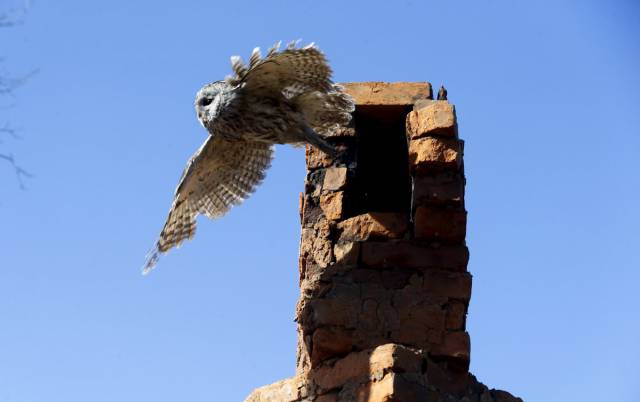
Despite earlier studies that suggested wildlife in the region could also suffer from radiation, scientists have found no evidence to support these claims.
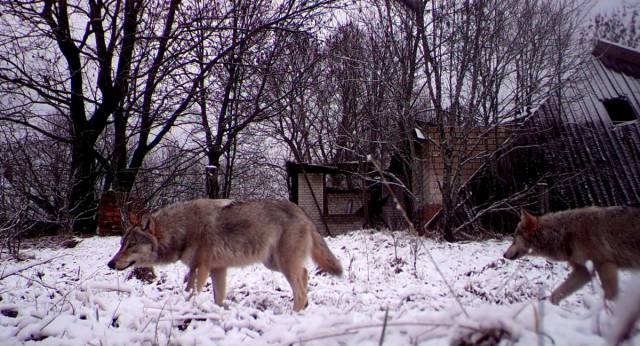
Researchers think that wildlife returned to the area because it has been almost completely untouched by humans, which has allowed certain species to thrive.
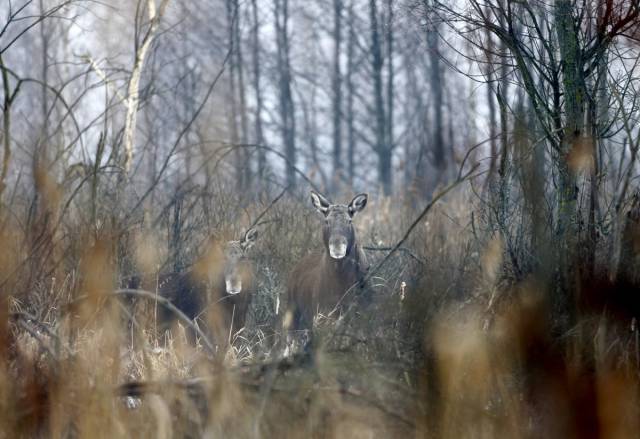
Many of the animals are taking advantage of the fact that there is no human life around.
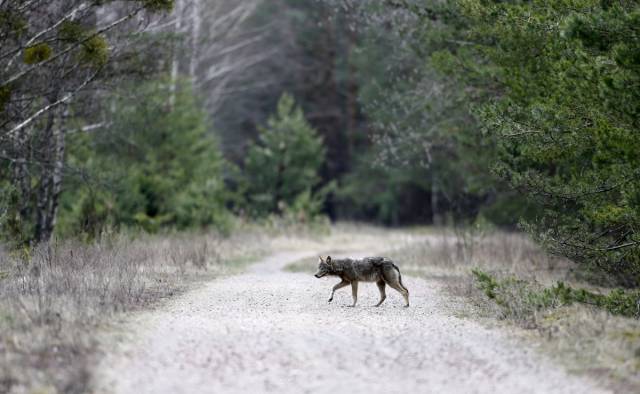
Scientists have found that the population of wolves is seven times greater here than in nearby reserves.
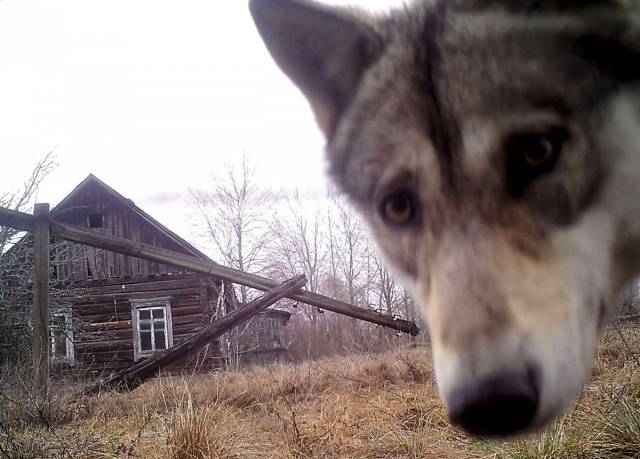
Near the Belarus-Ukraine border, local livestock farmers are offering hunters an incentive to hunt the wolves who are killing their farm animals.
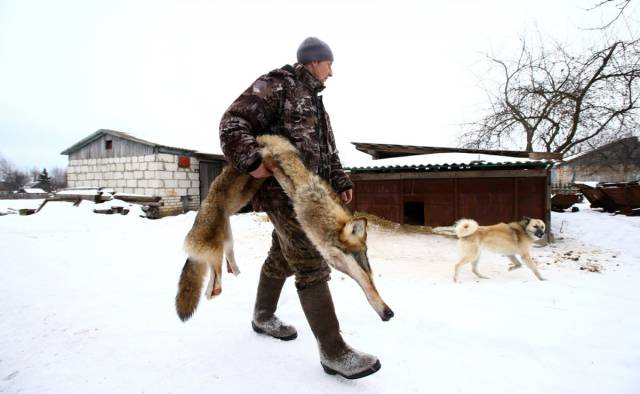
Hunters like Belarusian hunter Vladimir Krivenchik and his wife make $80 per wolf they kill.
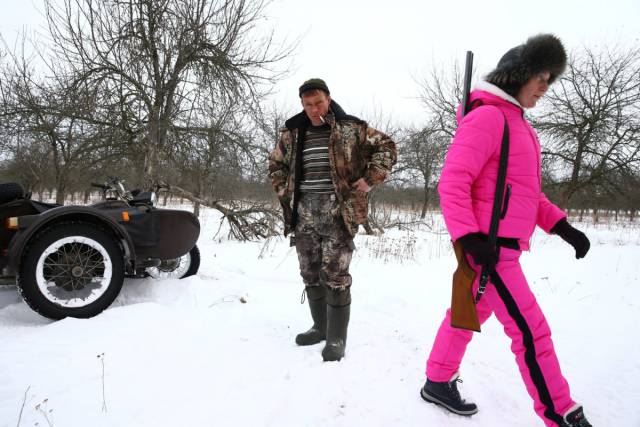
In 2016, about 1,700 wolves were hunted and killed.
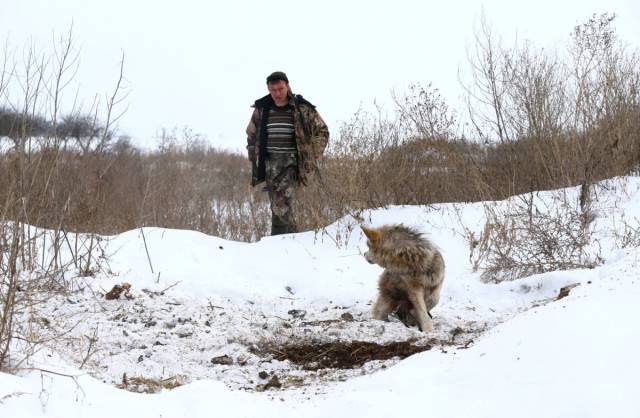
Though the lingering radiation is unhealthy for the wildlife, the effects of human activity — like hunting, farming, and forestry — are worse on the animals.
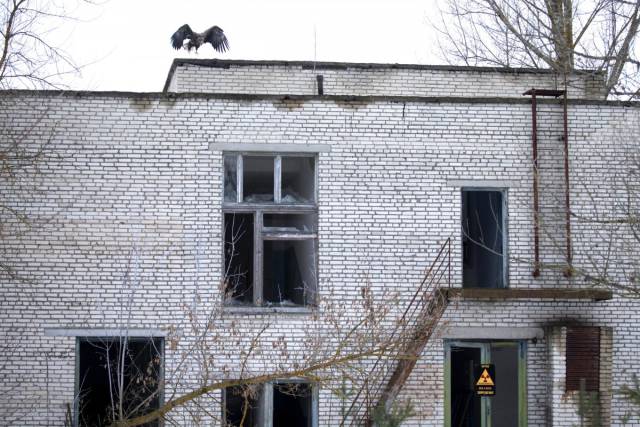
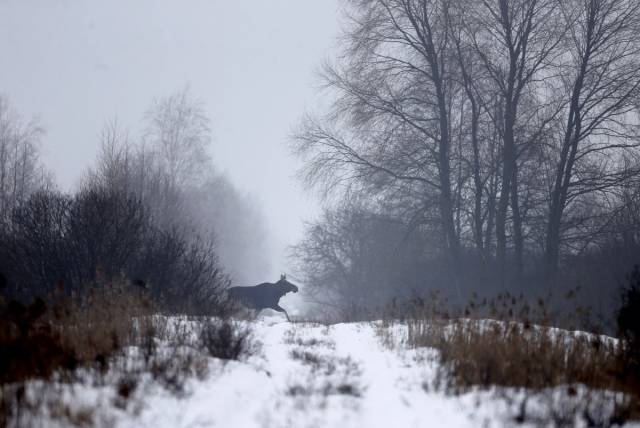
Larger mammals, such as bison, are more likely to live in this area than smaller mammals.
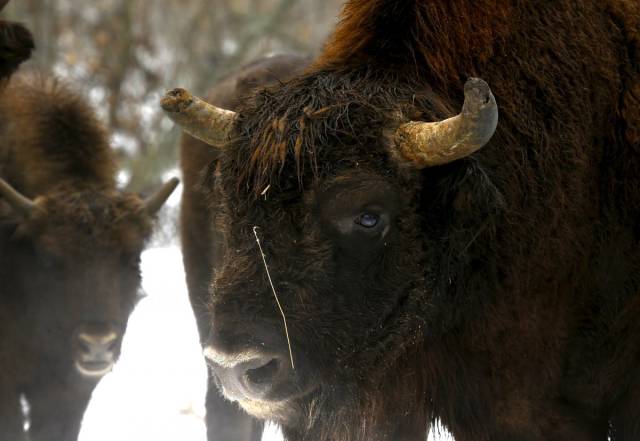
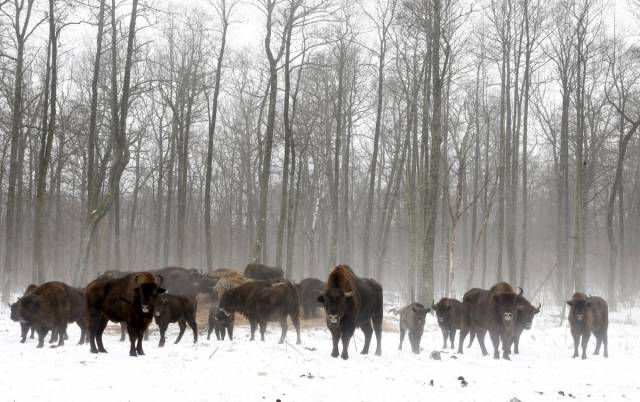
The European brown bear — an animal that hasn’t been seen here in over a century — has been documented as living in the region. The area’s more popular animals, like bison, live in herds.
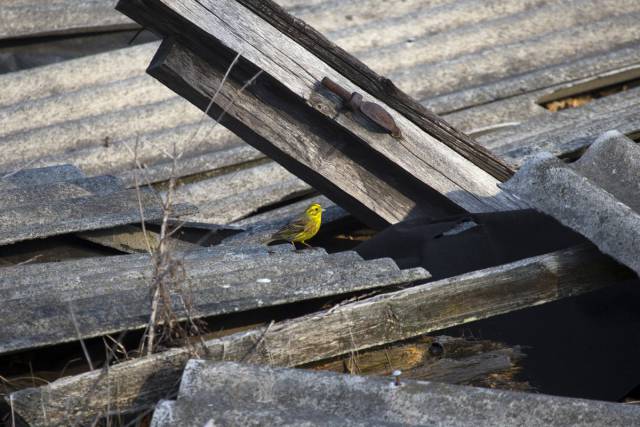
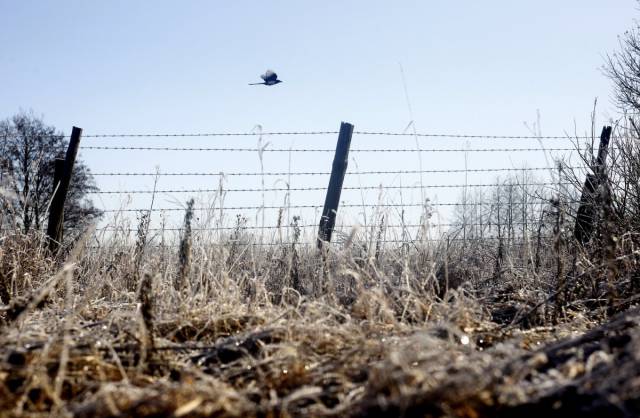
Birds are a huge part of the wildlife surrounding Chernobyl.
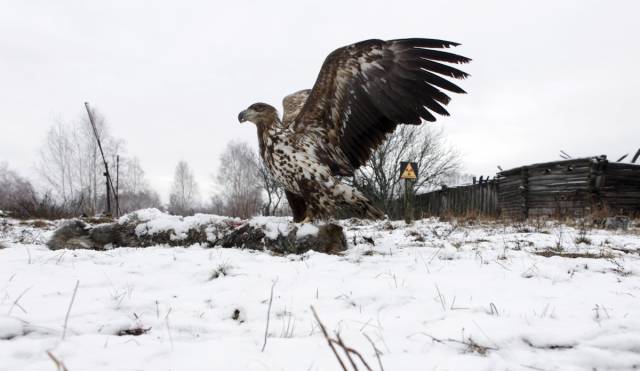
White-tailed eagles are common in the nuclear zone.
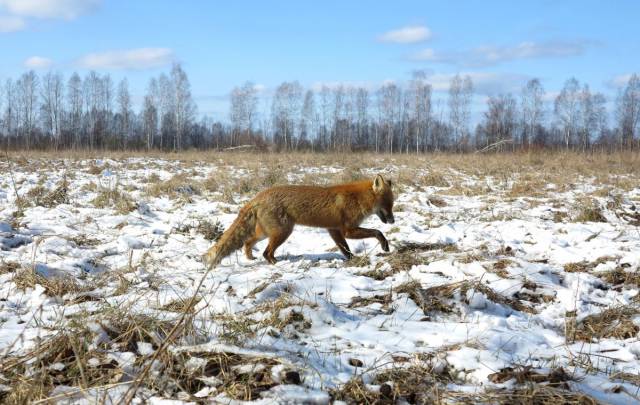
There are even foxes walking around.
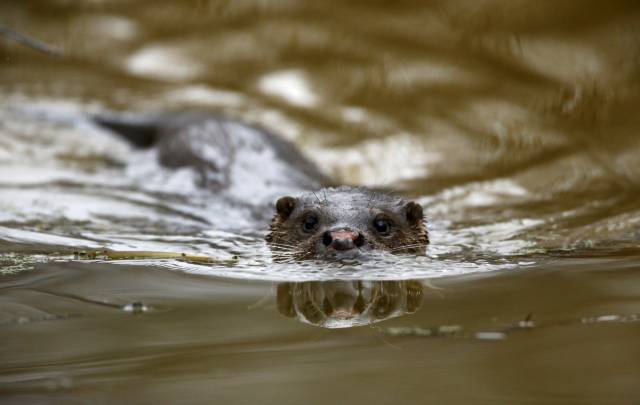
Otters are found swimming in the rivers.
Every day the area looks less like a disaster site and more like a nature preserve.
There are still ongoing studies to find out if radiation has a negative effect on animals to the point where it will harm or kill them.
Credits: www.businessinsider.com