 Barnorama Welcome To The Fun Barn
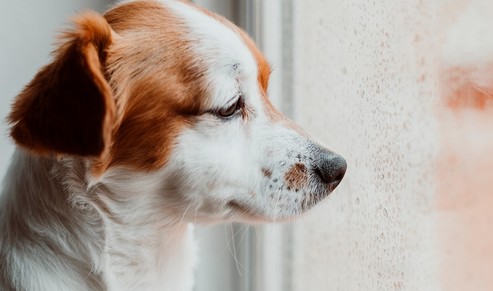
My dog knows the drill. The second my heavy rolling suitcase comes down from the top shelf, he moves. No barking, no chewed slippers. He just walks over, plops his rear end right in the middle of my open duffel bag, and stares.
It’s a total guilt-trip. And for a long time, it worked.
That one look used to ruin my entire morning.
To make myself feel better, I pulled every classic owner trick in the book. I begged exhausted neighbors for favors. I hired random college kids off apps who forgot to check the water bowl. I even left him with a relative whose idea of a walk was unlocking the back door for four minutes. I kept telling myself that keeping him in a familiar hallway was better than “boarding.”
Total nonsense.
Leaving a high-energy dog in an empty house with someone swinging by twice a day isn’t doing them a favor. It’s just boring. They spend twelve hours staring blankly at the front doorknob, waiting for it to jiggle.
Breaking that bad habit took me way too long, but it completely changed how I travel.
Dogs don’t care about your living room furniture. They care about dirt, pack energy, and run until they’re tired. When you drop them at an actual outdoor retreat designed for movement rather than a noisy, concrete kennel grid, their brain switches gears fast. They stop stressing and start exploring.
If you are dealing with the Los Angeles area, sticking a dog inside a cramped indoor facility right next to a loud freeway is a nightmare. Finding open spaces tucked back in the hills—like the sprawling grounds at Topanga Pet Resort—gives them real dirt to sniff, fresh air, and handlers who actually know how to read pack dynamics.
It turns what feels like a sad farewell into a week at summer camp.
A few quick things I picked up after years of overthinking travel day:
- Ditch the big farewell: That long, emotional goodbye where you hug your dog and apologize? Stop doing it. It freaks them out and signals that a disaster is happening. Hand over the leash and leave.
- Run a trial day first: Never drop your pet off for a two-week stretch without doing a quick day-care run a month before. Let them see that you always come back through that door.
- Bring their usual food: Switching kibble on day one of a trip is a speedrun to a terribly upset stomach.
Last summer, I picked him up after ten days away. I was ready for a dramatic movie reunion—whining, frantic jumping, maybe a tear or two.
He trotted out from the play yard, gave my hand a brief sniff, turned around to look at the handler holding a tennis ball, and sighed.
He was actually annoyed he had to leave. Best feeling ever.