 Barnorama Welcome To The Fun Barn
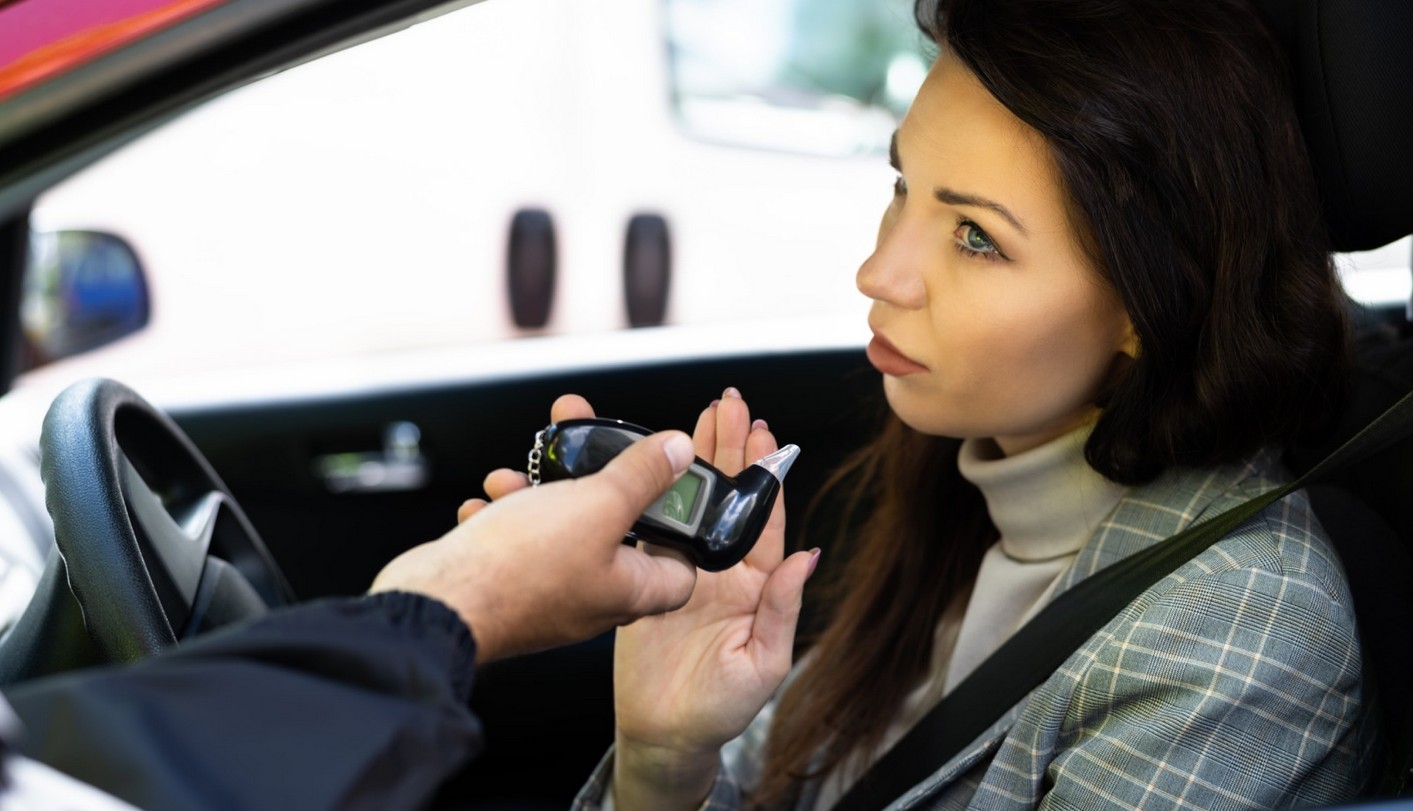
Apart from the legal aspects of a first-time DUI offender, a DUI arrest can have other repercussions. One of the biggest concerns when dealing with such an incident is the financial burden you will have to face.
So how much does a DUI cost? You will have to consider every factor that involves DUI costs like fines and other penalties. And according to the National Highway Traffic Safety Administration, a first-time drunk driving offense could set the driver back the equivalent of $10,000 after taking everything into account.
Most people facing a DUI charge worry about what the charge entails. Consulting a lawyer about the possible legal remedies can be a first step.
Let’s discuss the elements that affect DUI costs and the various defense strategies that can be used to at least manage some of the expenses involved.
The Real Cost of a DUI Conviction
First, you need to pay the court fines. As a first-offense DUI, the fines are about $1,500 to $5,000. And then there are penalty assessments, court fees, and administrative charges. These may double or triple what you have to pay, depending on the state.
These initial figures do not yet include bail, towing and impound fees, or the whole license reinstatement process. Adding these factors could easily increase your costs by several hundred dollars.
In most states you’re sent into mandatory alcohol education programs after a DUI conviction. Those programs typically cost anywhere from $500 up to $2,500, depending on what level of treatment is demanded and where you live. On top of that, ignition interlock devices are required in many places even for first-time offenders. These devices come with monthly monitoring expenses plus the initial installation fee.
Per November 2025 pricing data from Quadrant Information Services, one DUI charge can nearly double auto insurance premiums. The average annual costs of one’s insurance can quickly rise after a DUI charge. The insurance surcharges tend to linger for about three to five years. In most states you also need an SR-22 filing, and some insurance companies simply won’t provide it at all.
Non-Financial Costs That Compound Over Time
A DUI conviction shows up on criminal background checks. DUI convictions can extend well beyond the courtroom. If you have a DUI record, getting hired in areas that require professional licensing, security clearances, and commercial driving credentials becomes a lot more difficult. Many employers do background screening and may not hire applicants with a DUI conviction. A DUI conviction is often required to be disclosed on licensing applications for healthcare, law, finance, and education, among others.
License suspension can have immediate effects on an employee, especially when driving is part of the job or public transport is not a viable option. Put together suspension, mandatory program attendance, and court appearances, and suddenly you’re losing workdays. For hourly workers, lost wages over the length of a DUI matter can end up being a major slice of the total financial damage.
Where Defense Begins: The Traffic Stop
The strongest DUI defenses often begin early, before the breathalyzer is even involved. The Fourth Amendment requires that police have a good reason to believe a driver has committed a criminal act, either a traffic violation or another crime, before stopping the driver. If no good reason to stop the driver exists, there is a strong basis for the argument that the stop is unlawful. If a stop is deemed to be unconstitutional, then any evidence obtained during the process would be totally inadmissible in a court of law.
It is usually unnecessary to prove the sobriety of the driver when a motion to suppress evidence is tied to an unlawful stop. It’s more about showing the officer did not have a legal basis to start the encounter in the first place. Courts have dismissed DUI charges fully on that ground, even when BAC readings were above the legal limit.
Challenging the Evidence: Tests and Procedures
Breathalyzer results aren’t beyond challenge. According to Newport Beach DUI defense lawyer Aaron Meyer, breathalyzers are instruments that lack precision.
These devices are not one hundred percent accurate. That’s why they must be calibrated regularly, kept up per the manufacturer and state protocols, and operated by certified officers using specific procedures.
Calibration records and maintenance logs are obtainable, and gaps in that documentation can really undermine the reliability of the result. GERD, acid reflux, and diabetes are examples of medical conditions that may cause greater-than-normal readings in breathalyzer tests. A BAC number that looks simple at first glance may become a lot less reliable once it’s reviewed closely. Field sobriety tests have their issues that you can exploit.
Plea Negotiations and Diversion
Not every DUI defense ends at trial. If the available evidence is relatively weak and unreliable, the defense is usually in a better position during plea negotiations. When there are calibration problems, unconstitutional traffic stops, or unreliable sobriety tests, prosecution can be more agreeable to providing a better plea bargain. In this case, you can have a lesser charge rather than risk a trial with an uncertain outcome in court.
Examples of first offender diversion programs are temporary rehabilitation and education programs. Participating and finishing these sessions can result in case dismissal. Not every treatment is diversion, and there are many factors used to determine its availability, including the nature of the crime charged and the defendant’s past history. Still, when this type of sentence is available, it is usually seen as the best outcome since it involves no conviction rather than a lesser one.
The Cost of Acting Early
Evidence preservation deadlines are kinda short. DMV hearings to dispute an administrative license suspension have to be requested within a few days of arrest in most states. Dashcam and bodycam recordings can be overwritten pretty fast. The choices made in that first week after a DUI arrest kind of drive everything that comes next.
The overall cost of a DUI conviction is way more than most people assume at the time of arrest. The total cost of a good defense is fixed and predictable, and it often leads to results that can wipe out or strongly shrink the financial consequences that otherwise keep hanging around for years.