 Barnorama Welcome To The Fun Barn
The major sports have a long tradition of being cultural centerpieces, especially in places like Turkey and Argentina. However, many fans, especially younger fans, are gravitating towards other activities instead of regular matches, as interest and excitement have diminished, as has the marketing or commercial appeal, the revelation of match fixing, and the monotony of the formats.
Since 2020, basketball and football viewing have been on the decline, as evident by attendance dropping by 14 percent during the 2022 23 season of the Süper Lig, even with some of the rivalries and title races being among the biggest of the last few decades. Many fans no longer follow week to week, but only the major matches, or have chosen to follow results on the internet rather than watch the matches live.
This is not just in Turkey. Fans in Latin America and Europe are diversifying their sports consumption, and some are relying on niche offerings. Some are leaving even the mainstream. Others are acquiring other interests in emerging digital spaces.
Exploring New Arenas of Competition and Strategy
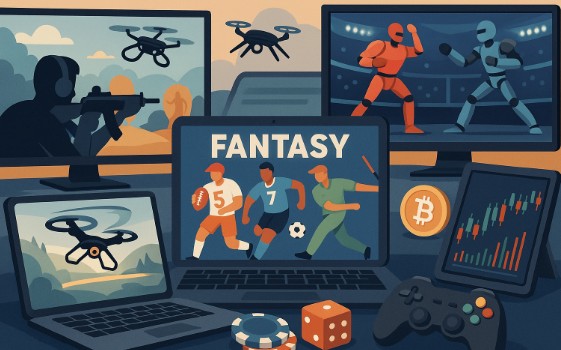
Alternative sports, simulations, and digital competitions now compete for fan loyalty. A growing number of users prefer real-time interaction, data analysis, or narrative-rich content. Many participate in fantasy leagues, esports, and even trading-based challenges.
Fantasy football, for example, allows fans to build and manage virtual teams using real-life player data. The Süper Lig Fantasy League saw a 27% rise in active users in 2023. These options, which are often available on popular betting sites (Turkish: popüler bahis siteleri), blend sport, tech, and strategy in new ways that feel fresh and immersive. Participants analyze form, track injury reports, and predict coach strategies. The format rewards insight and precision—traits that passive viewership never encouraged.
Other fans adopt the sports simulations. Football Manager, NBA 2K, and FIFA provide campaigns of entire seasons, and players manage all the aspects of training, tactics, and transfers. A lot of them broadcast their work on YouTube or Twitch. Such games are simulations of real-world sporting drama, which is frequently more paced and more engaging than real-world games.
Esports as a Parallel Sports Universe
The other attractive avenue is esports. Competitive gaming is fast, data-intensive, and team-oriented, which gives it an appeal to fans of more traditional sports in terms of strategy and competition. Turkish esports teams such as FUT Esports and Beşiktaş Esports have acquired a fan base.
Games like League of Legends, Valorant, and Counter-Strike: Global Offensive have become the new TV shows and are shown on TV channels like Tivibu Spor. The professional tournaments attract audiences that compete with the classical sports events. The Valorant star, a Turkish player, Mehmet cNed Yağız İpek, has gained tens of thousands of fans in his country.
The point of difference when it comes to esports is accessibility. There are no charges to watch matches. Real-time publication of stats is carried out. Through Twitch or Discord, fans can communicate with the players. In contrast to professional football, in which there is a division between the stars and the fans, esports is democratic and grassroots.
The Role of Digital Communities
The most active fan conversation now takes place in Reddit threads, Discord servers, and under YouTube videos. Such podcasts as Euro Taktik and Socrates Dergi integrate statistical interpretation with cultural remarks. The Turkish-language Twitch channels provide watch-alongs that are accompanied by tactical explanations.
Instagram also remains central. Pages like MelBet Instagram Turkey (Turkish: MelBet Instagram Türkiye) publish updates, stats, and polls that attract tens of thousands of followers. These platforms allow constant interaction, visual storytelling, and real-time feedback loops. Fan-driven Telegram groups often include 1,000+ members who post injury news, betting odds, or fantasy advice. These decentralized communities keep engagement high even during off-seasons or international breaks.
Niche Sports and Unconventional Leagues

A part of the fans resorts to niche sports because of novelty and narration. The interest in sports such as MMA, padel, drone racing, and arm wrestling has increased sharply in Turkey. Companies such as ONE Championship have increased the popularity of their content through short-form narratives and accessibility on YouTube.
Even non-Turkish fighters in MMA are trending on Turkish Twitter. Since 2021, there have been twice as many padel courts in Istanbul. These sports offer more competitive games. unconventional formats and non-coerced media coverage, which is what the fans desire to see in new stories.
Also, streetball tournaments, amateur futsal leagues, and 3×3 basketball competitions are currently streamed live on websites such as YouTube Live. They provide close-ups to the games, and fans can view the raw talent and feeling without the scripted shows.
How Technology Helps Redefine Fandom
The contemporary fan is no longer waiting to see replays on television or read about them in the newspaper. They communicate in real time through second screens, applications, and forums. The tools that offer heatmaps, xG, and passing networks include SofaScore, One Football, and Besoccer Pro. Information that used to belong to the analysts has become available and open to discussion.
Fans use Telegram bots to get notifications of the lineup or predictions of the game. The predictors based on AI platforms such as Python or RStudio are used to simulate results or compare the form of players. The analytical process values active engagement more than passive consumption.
In fantasy platforms, plenty of stats tend to be gamified. Managers gain points not only on goals and assists; they score on tackles, dribbles, and interceptions as well. This makes fans appreciate other aspects of the game, which makes them a more intelligent and critical audience of sport.
Comparative Snapshot: Old vs. New Fan Activities
| Traditional Sports Fandom | Emerging Alternatives |
| Watching televised matches | Participating in fantasy leagues |
| Reading print match reports | Using live data dashboards |
| Attending stadium games | Streaming esports or simulations |
| Supporting one club for life | Switching between multiple digital teams |
| Waiting for press conferences | Engaging directly via Discord or Instagram |
The modern fan experience is not necessarily replacing the old but enhancing and diversifying it.
Trends Among Younger Generations
The Gen Z fans of sports have alternative loyalty trends. They tend to sponsor more than one team, player, or even game. The teenager will be able to follow Messi, the Lakers, and a Valorant team simultaneously. They do not care about club tradition but appreciate the content of the entertainment, gameplay, and behind-the-scenes.
This is exhibited in their content habits. A YouTube analysis of a CS: GO map is placed next to a TikTok highlight of a football goal and an Instagram meme of an MMA knockdown. This fluidity promotes crossover fandom, with various sports spilling into each other, and even genres doing the same.
The younger fans also play around with AI tools, including lineup generators and fake commentary scripts. Others utilize Midjourney to come up with fantasy jerseys or stadium ideas. This combination of art and athletics creates a new level of personal involvement that earlier forms could not provide.